August 13, 2026
_resize.jpg)
The scenes of dead fish on the River Wensum and elsewhere in Norfolk over recent weeks have been awful to see. Yes, the immediate cause is low oxygen levels after a hot summer and very little rain - but the deeper truth is that our rivers are in trouble. What we’re seeing is the result of long-term damage, and it’s a warning we can’t ignore.
Across Norfolk, almost every corner has been drained over the past few centuries. Rainwater that was once held in soils, wetlands and pools, slowly trickling into the river throughout the year, now rushes downstream and straight out of river catchments. Our rivers have lost the natural water filters and steady summer water supplies that used to see them through long, dry periods.
The River Wensum is a clear example of this wider problem. It is also fragmented by dams and weirs, which prevent water from flowing freely and lead to stagnation and overheating. This is made worse by the loss of tree cover that once shaded and cooled the river. When too much water is taken from a river already under pressure, and pollution and high temperatures build, fish deaths - and the deaths of countless unseen invertebrates - sadly become inevitable.
The good news is that these problems can be fixed. We can restore floodplains and wetlands, so the river has a constant supply of clean water. We can reduce pollution and stop taking more water than the river can spare. And we can bring back wilder, thriving, more diverse habitats that make the river more resilient again.
Summers like this are becoming normal. We don’t have long to turn things around. But we can rebuild a River Wensum that can withstand climate change and human pressure - it requires a lot of work, and we need to do it now.
If you can, please donate to support our work in building more resilient rivers and wetlands.
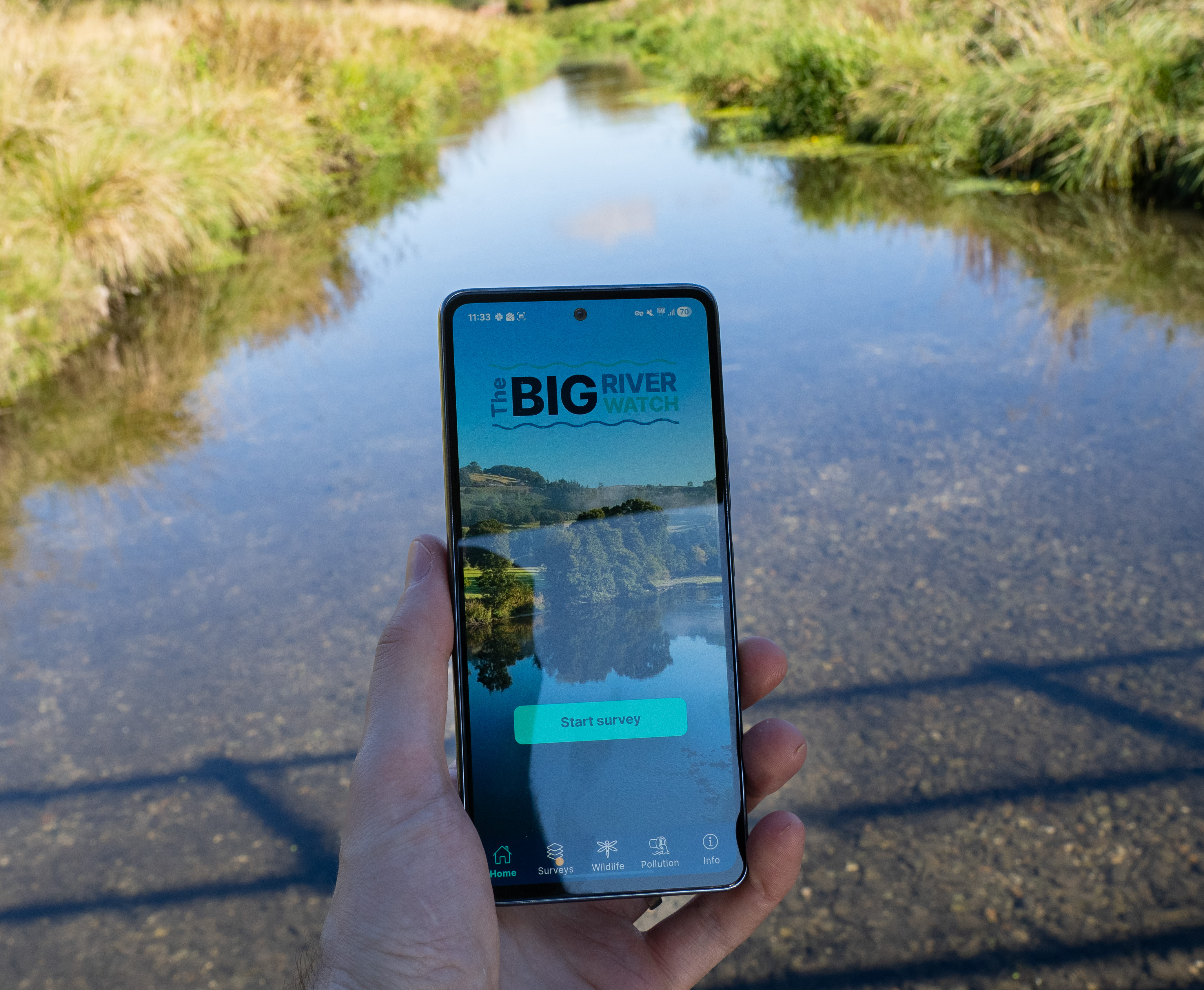
Take part in this autumn's Big River Watch and help survey your river from 18–24 September 2026.
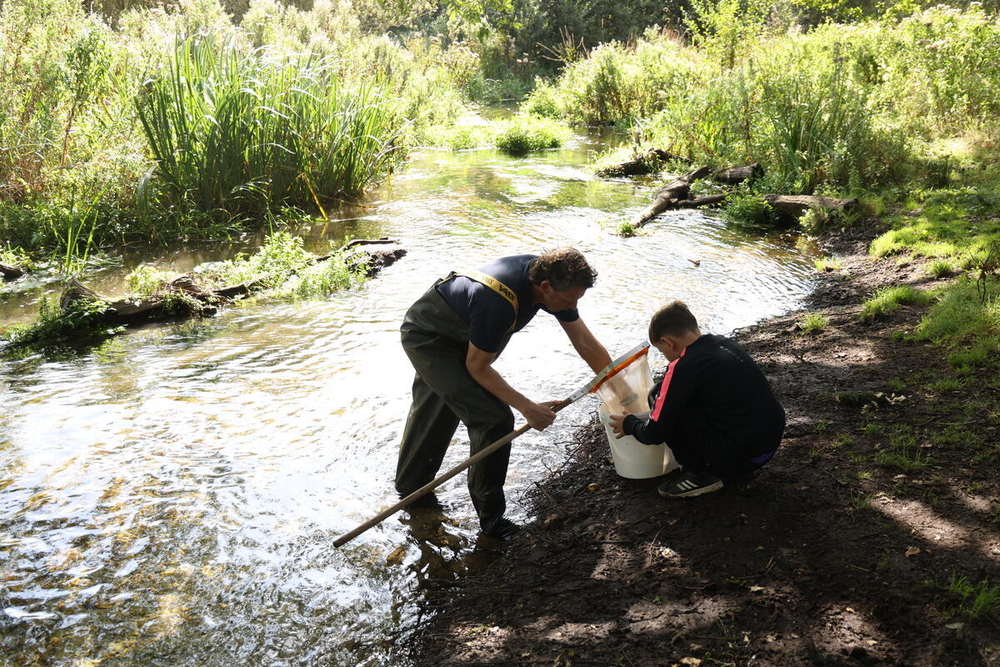
Norfolk’s rivers and wetlands are under mounting pressure, and the need for bold, coordinated action has never been clearer. Our Strategy to 2030 sets out a decisive plan to protect and restore these vital habitats, strengthening their resilience for wildlife and communities.
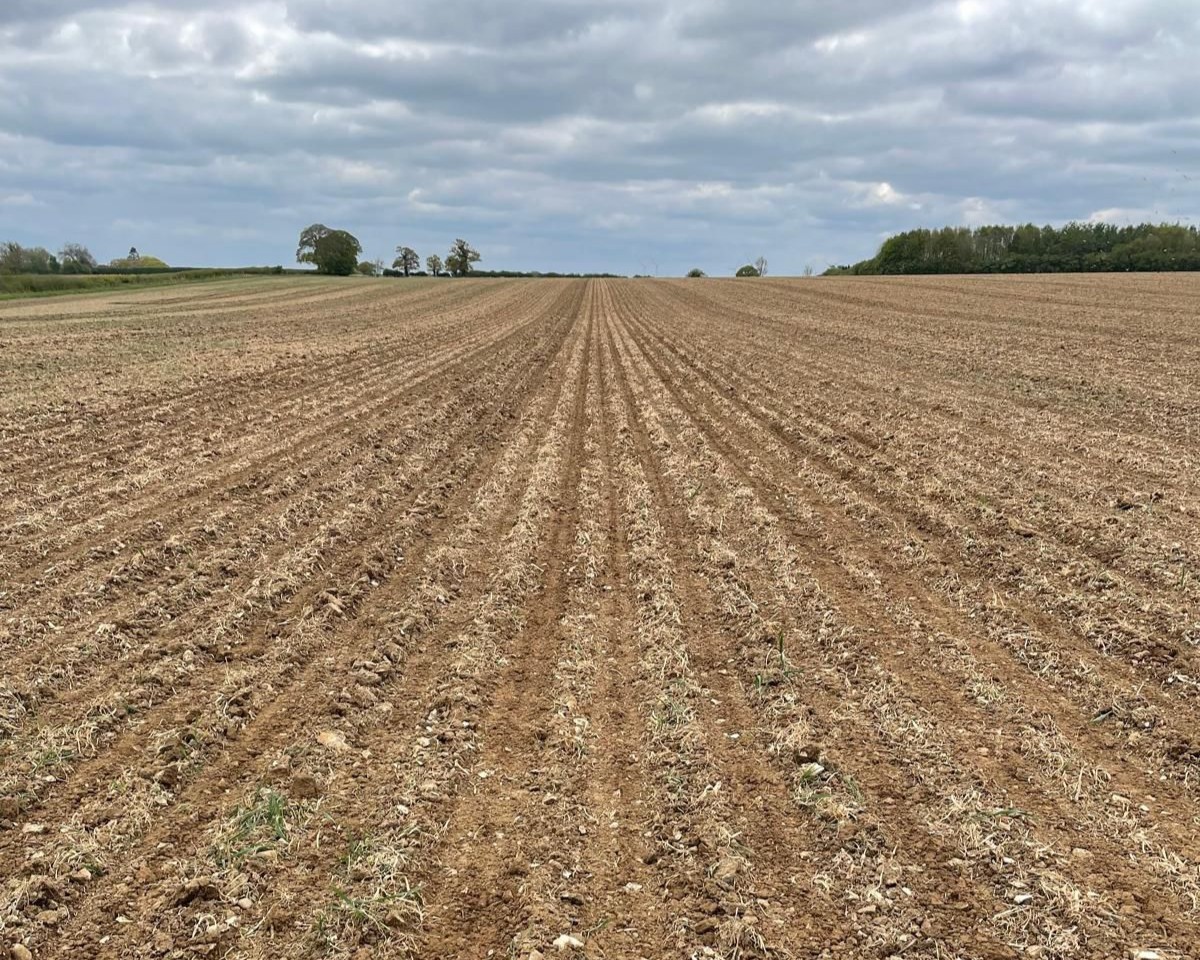
To demonstrate both the challenges and benefits of using strip-tillage machinery, we developed a case study with input from three farmers across Norfolk to document their experiences, especially regarding their soil health concerns.
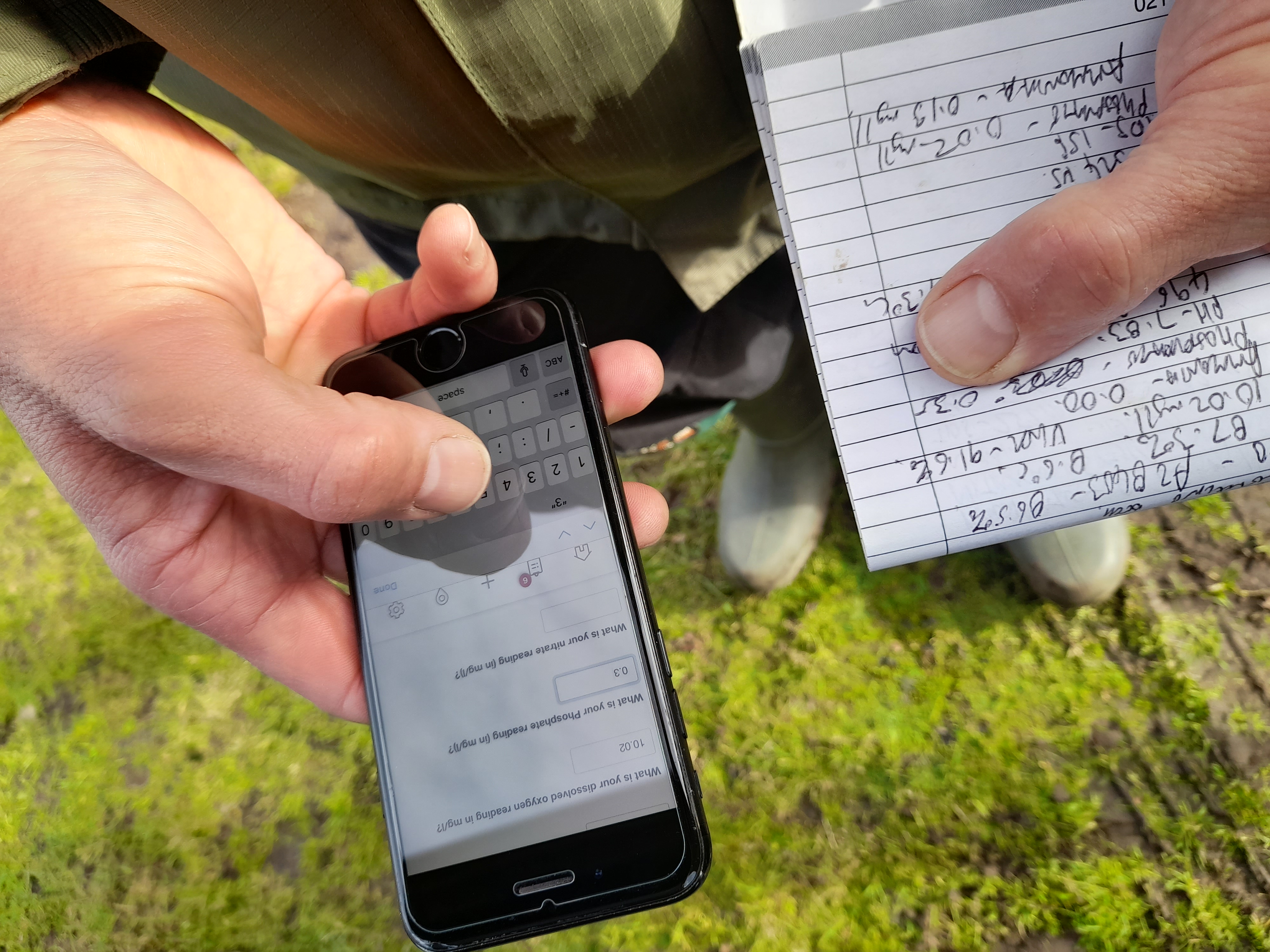
The efforts of our citizen scientists have supported the creation of a dataset that helps identify effective restoration measures and tackle pollution. This data has now enabled us to build a public dashboard where anyone can access and explore real-time water quality information, understand what the results mean, and see how conditions change over time.
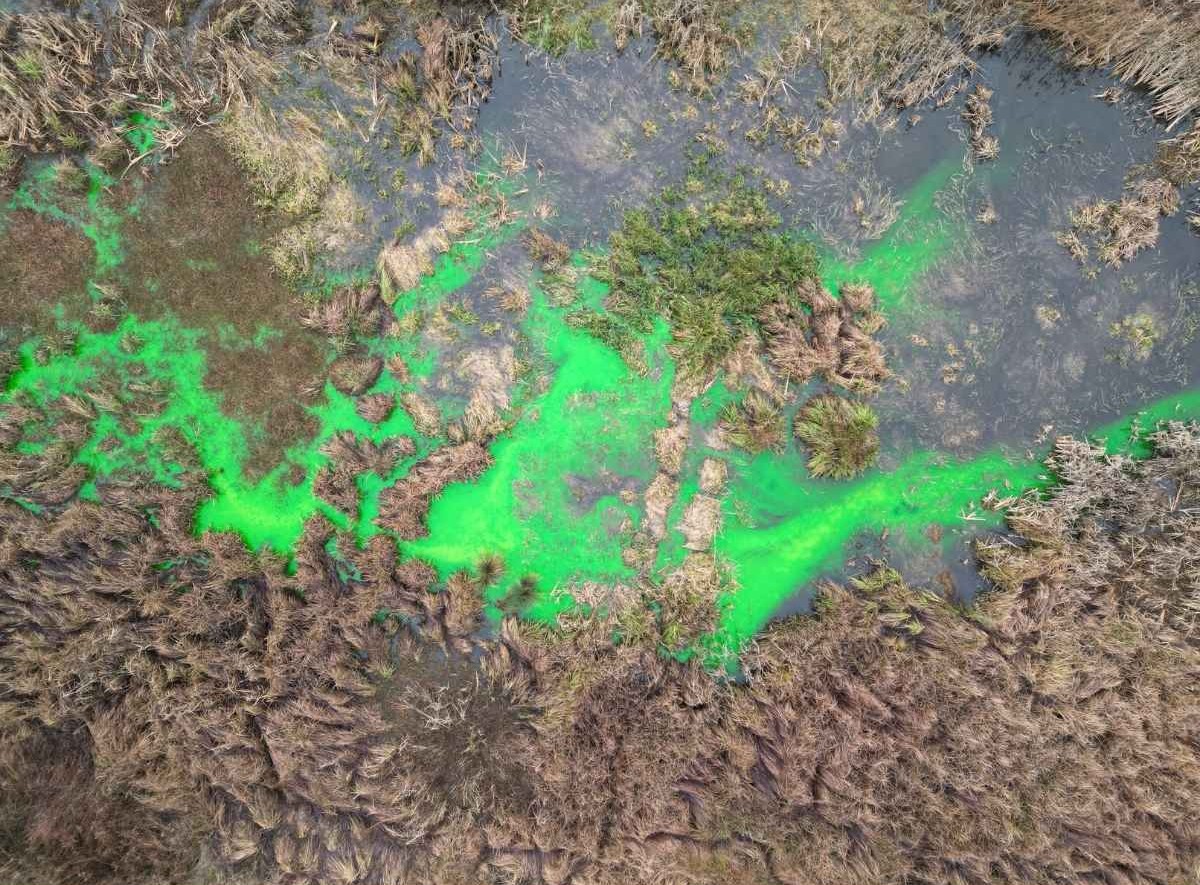
Under supervision, a UEA student released a harmless, non-reactive dye into the River Ingol Integrated Constructed Wetland (ICW), temporarily turning the water green. But why?
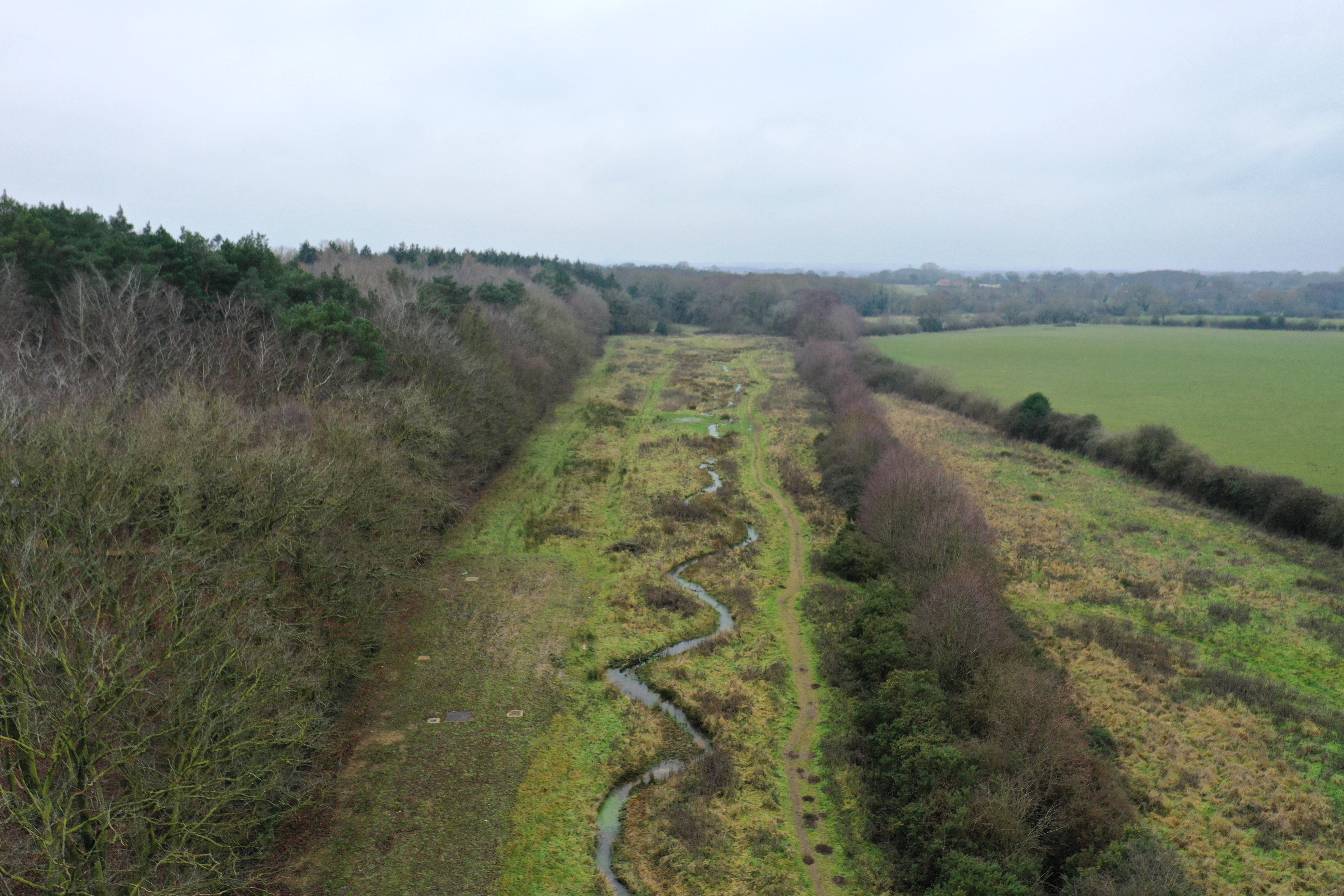
Today, we’re celebrating International Day of Action for Rivers, a day that perfectly captures why we do what we do. To mark the occasion, we’re looking back at one of our favourite recent success stories: the restoration of the River Stiffkey at Fulmodeston.
We use Mailchimp as our marketing platform. By clicking subscribe, you acknowledge that your information will be transferred to Mailchimp for processing. Learn more about Mailchimp's privacy practices here.