May 13, 2026
Farmers are under increasing pressure to produce food efficiently while reducing environmental impacts. Simultaneously, rivers across the UK are facing growing challenges from diffuse pollution, sediment run-off, and unpredictable weather patterns. These issues consistently lead back to soil health, a fundamental concern for food production, as well as the health of freshwater habitats.
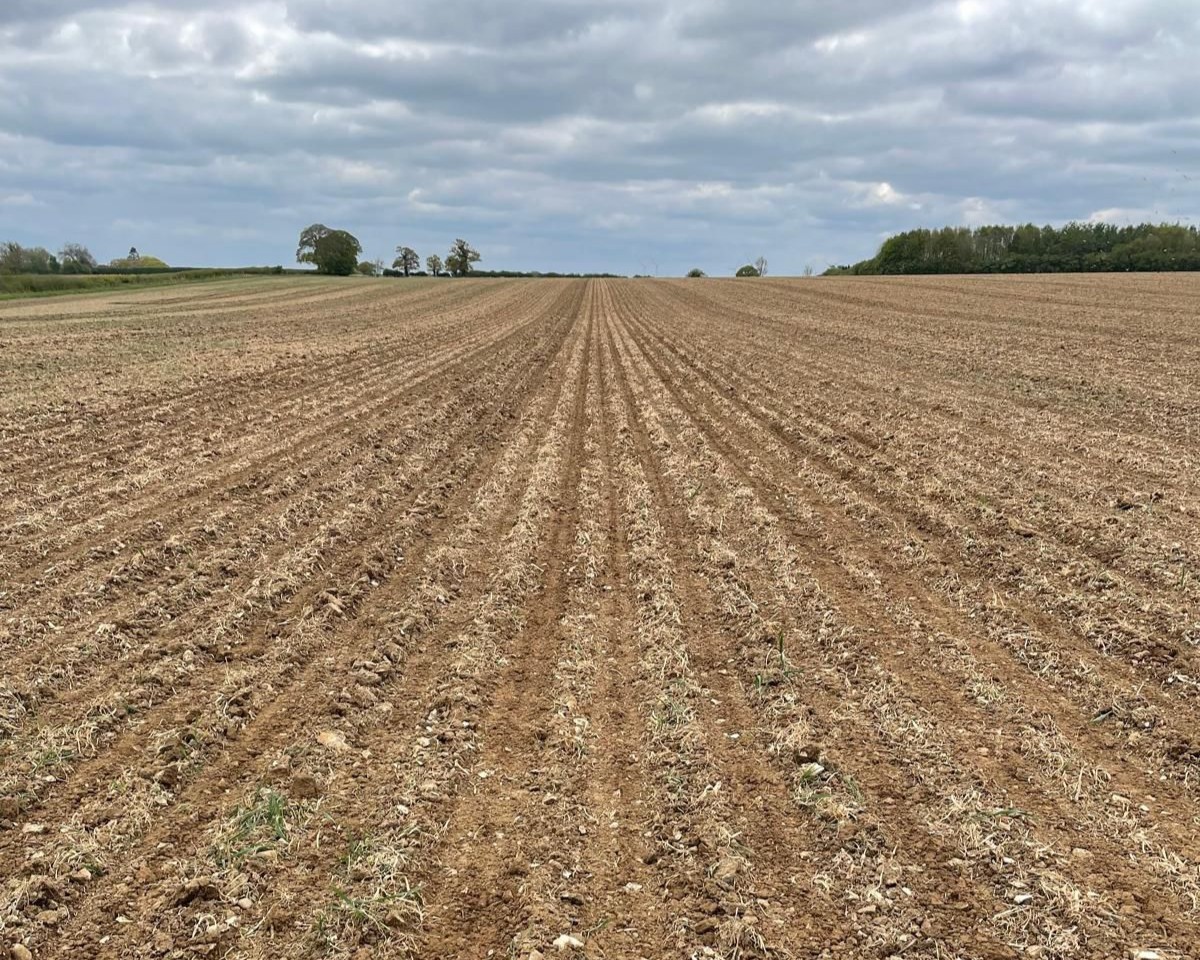
As part of our partnership project with the Waste and Resources Action Programme (WRAP), we explored strip-tillage machinery as a potential mediator between farming practices and soil. Sitting between conventional ploughing and no-tillage systems, strip-tillage offers a more balanced, accessible approach to reducing soil disturbance. By cultivating narrow strips of soil for planting, the majority of the soil between the strips is left undisturbed, maintaining an appropriate seedbed for crops.
The connection between soil health and river condition is vital. When soil is stable and porous, less sediment and nutrients are washed into nearby watercourses. Practices such as strip-tillage can play a key role in preventing compacted soil from damaging our important river habitats.
To demonstrate both the challenges and benefits of using strip-tillage machinery, we developed a case study with input from three farmers across Norfolk to document their experiences, especially regarding their soil health concerns. Each farm had different techniques, soil types, and crop rotations. By using strip-tillage to reduce soil disturbance whilst maintaining structure, the equipment can help retain soil moisture and support crop growth even during extreme weather conditions, thereby reducing the risk of erosion and run-off.
Read the case study here.
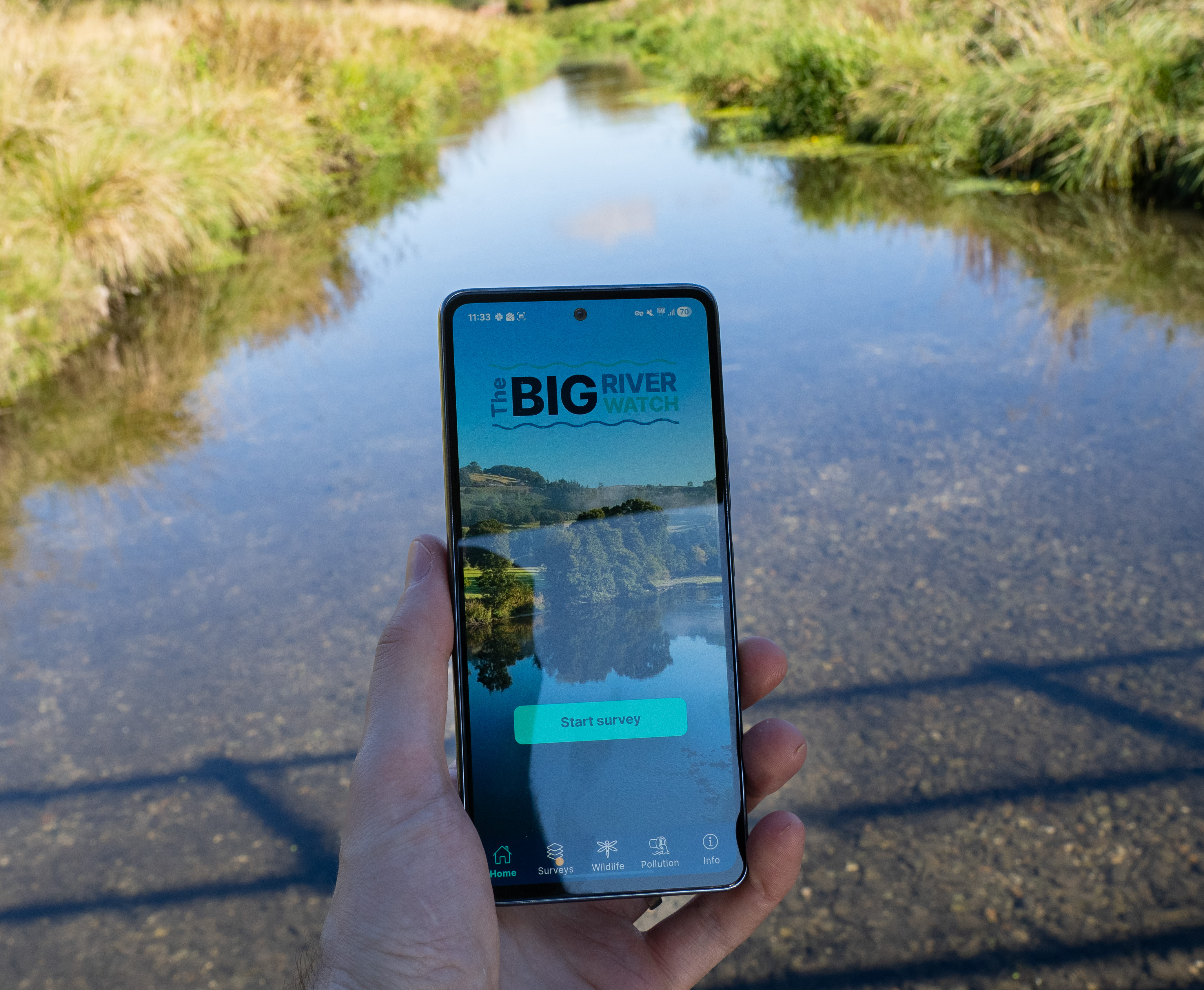
Take part in this autumn's Big River Watch and help survey your river from 18–24 September 2026.
_resize.jpg)
The scenes of dead fish on the River Wensum and elsewhere in Norfolk over recent weeks have been awful to see. Yes, the immediate cause is low oxygen levels after a hot summer and very little rain - but the deeper truth is that our rivers are in trouble. What we’re seeing is the result of long-term damage, and it’s a warning we can’t ignore.
Norfolk’s rivers and wetlands are under mounting pressure, and the need for bold, coordinated action has never been clearer. Our Strategy to 2030 sets out a decisive plan to protect and restore these vital habitats, strengthening their resilience for wildlife and communities.
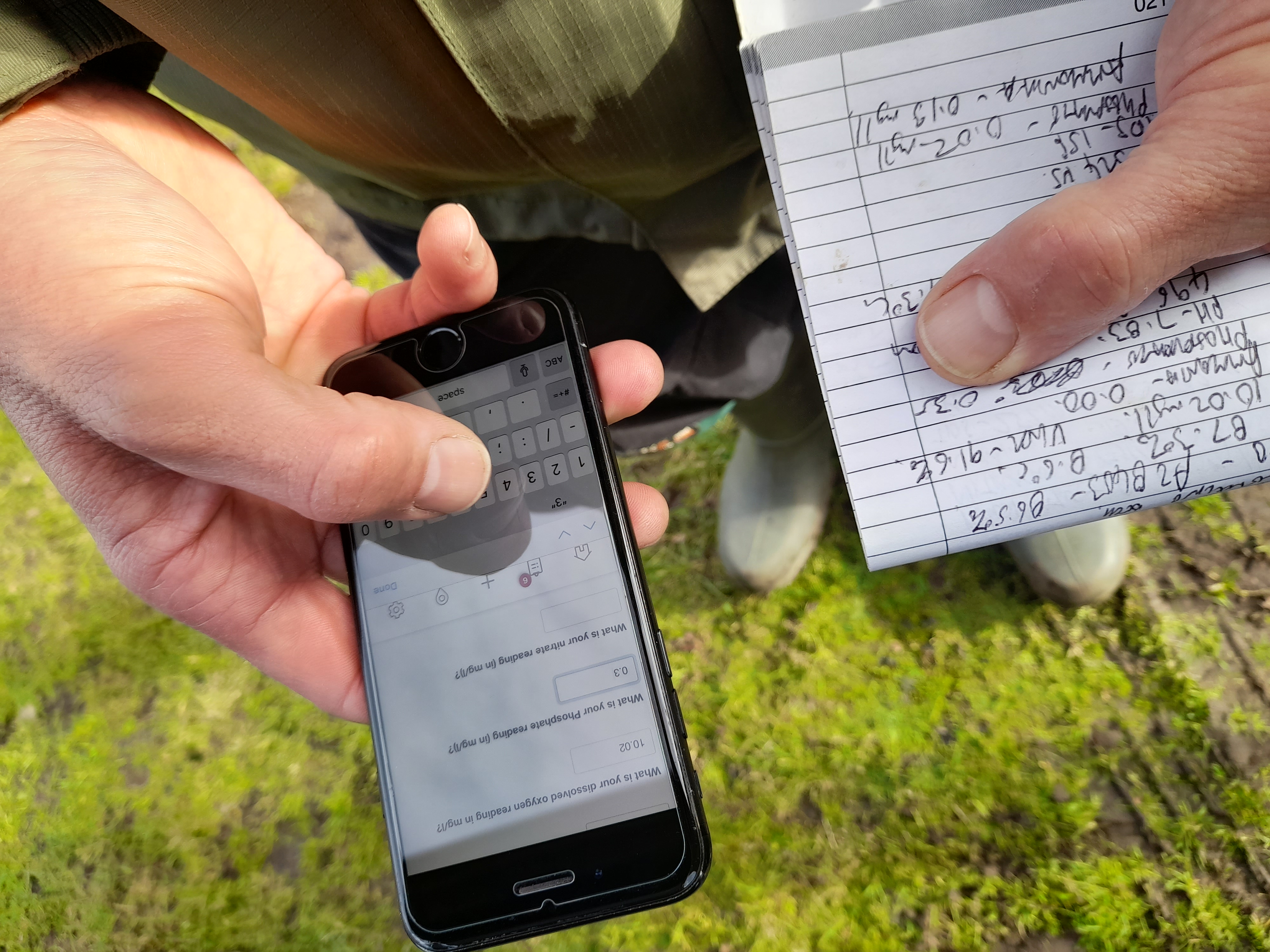
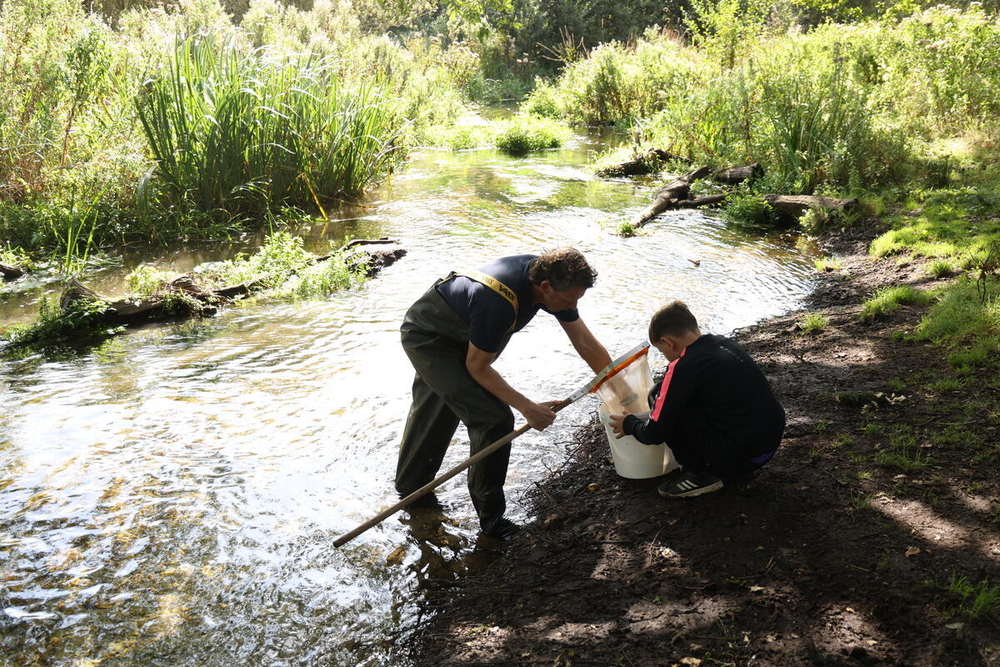
The efforts of our citizen scientists have supported the creation of a dataset that helps identify effective restoration measures and tackle pollution. This data has now enabled us to build a public dashboard where anyone can access and explore real-time water quality information, understand what the results mean, and see how conditions change over time.
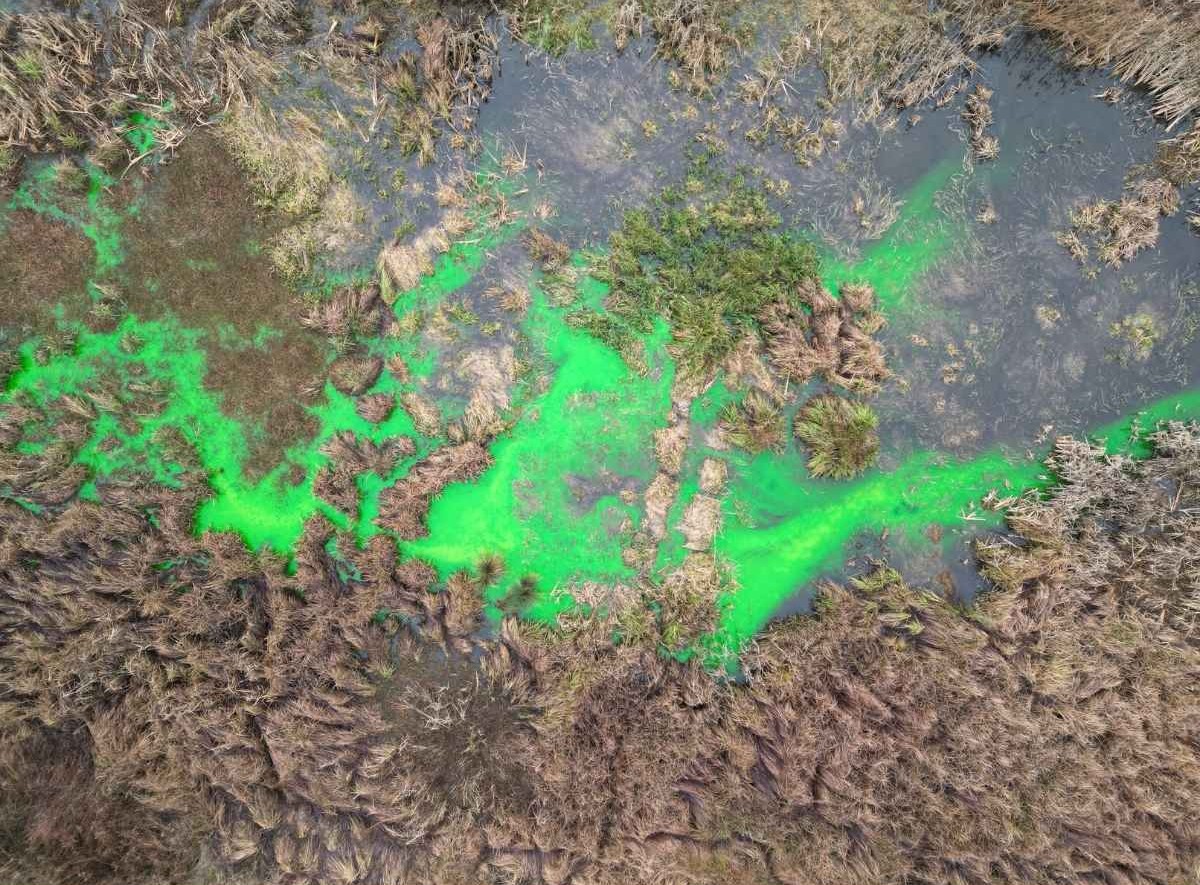
Under supervision, a UEA student released a harmless, non-reactive dye into the River Ingol Integrated Constructed Wetland (ICW), temporarily turning the water green. But why?
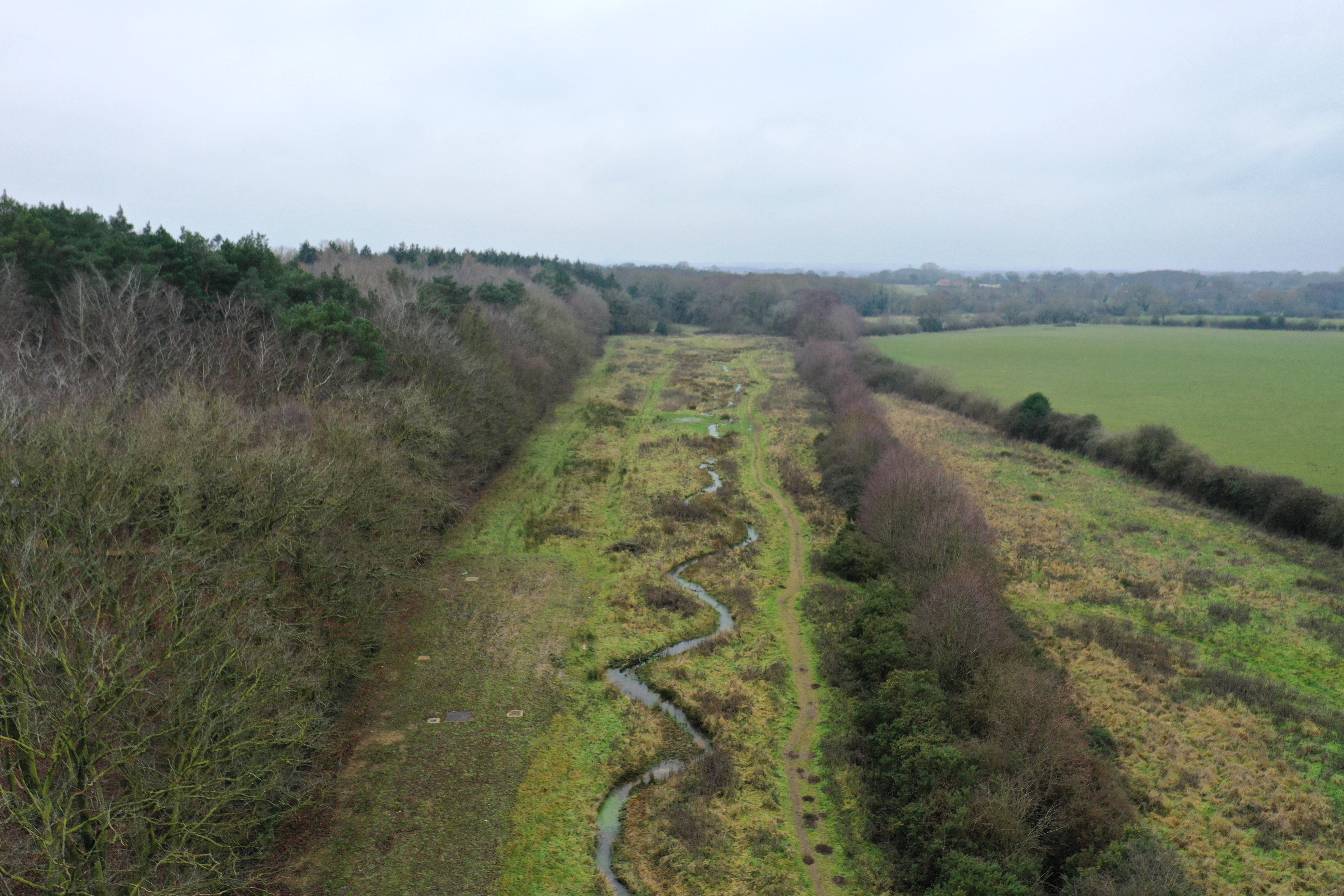
Today, we’re celebrating International Day of Action for Rivers, a day that perfectly captures why we do what we do. To mark the occasion, we’re looking back at one of our favourite recent success stories: the restoration of the River Stiffkey at Fulmodeston.
We use Mailchimp as our marketing platform. By clicking subscribe, you acknowledge that your information will be transferred to Mailchimp for processing. Learn more about Mailchimp's privacy practices here.