In 2018, harmful levels of ammonia and phosphate were accumulating in the River Ingol, prompting us to explore natural alternatives to traditional nutrient stripping techniques. Having successfully created and trialled a treatment wetland on the River Mun, which achieved encouraging reductions in nutrient levels, a solution was within reach.
Funded by Anglian Water, delivered in partnership with the Environment Agency, and constructed by William Morfoot Ltd., we created a 1-hectare Integrated Constructed Wetland (ICW) beside the River Ingol – a type of “treatment wetland”. The site consists of four interconnected shallow pools, the first of which receives used but treated water from the nearby Water Recycling Centre (WRC). The pools were planted with around 25,000 native wetland plants - such as iris, watercress, water mint and marsh marigold - to help purify the water by filtering and absorbing remaining nutrients. After the water has filtered through each pool, the treated water is released from the fourth cell into the River Ingol.
Just one year after completion, mean nitrate and phosphate concentrations were found to have reduced by approximately 30% across the Ingol ICW, whilst nutrient loading to the River Ingol was reduced by approximately 70%.
But our work doesn’t stop when construction is complete. A core part of our vision is to drive innovation and collaboration; continually looking for ways to improve how these wetlands are managed, including these constructed wetlands, and involving students and experts from across the county to boost their benefits.
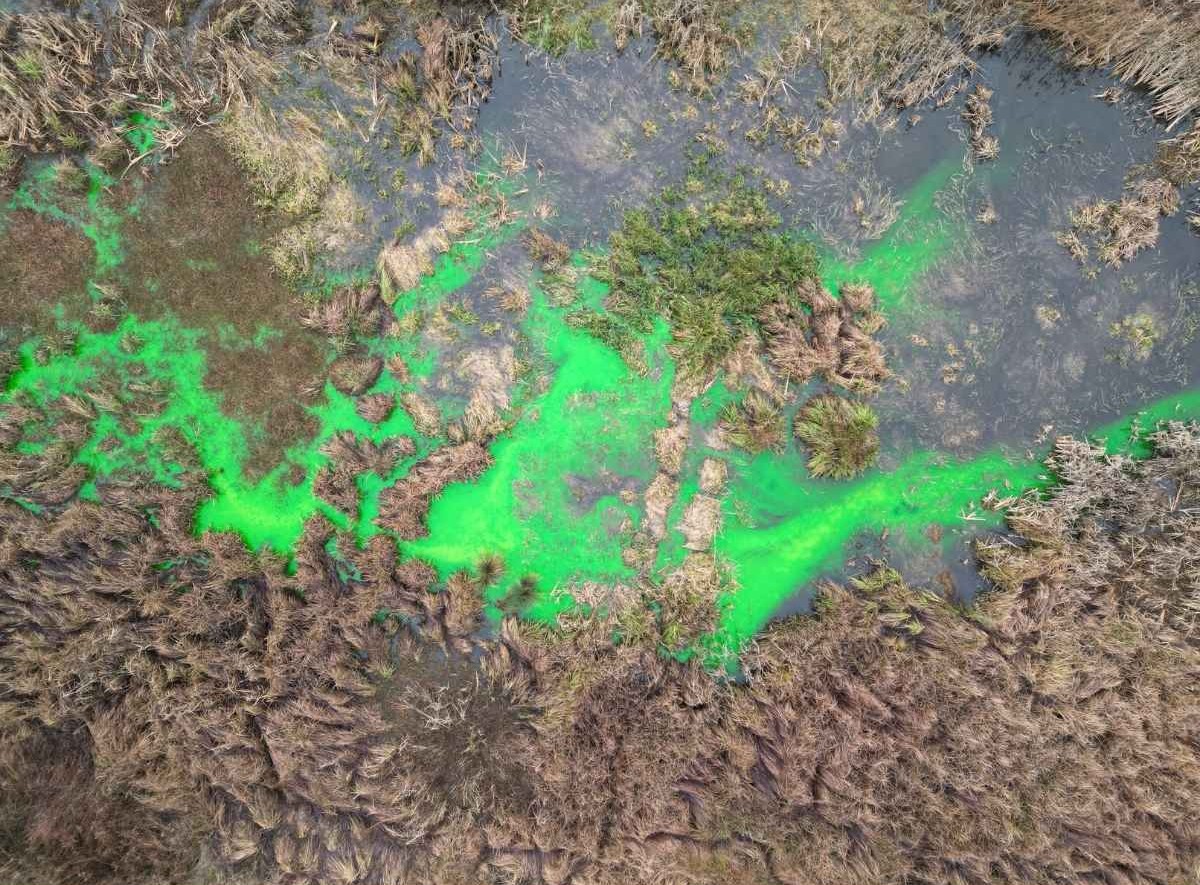
As part of a larger study, a UEA PhD student released a harmless, inert dye into the wetland via the inlet pipe and tracked how it moved through the system, temporarily turning the water green. This is to see whether the flow of water is creating short-cuts through the wetland, which would affect its ability to remove pollutants.
The study has the potential to inform new wetland plant management strategies by opening up areas where water isn’t reaching. Removing shortcuts and slowing the flow of water will improve the wetland’s performance.
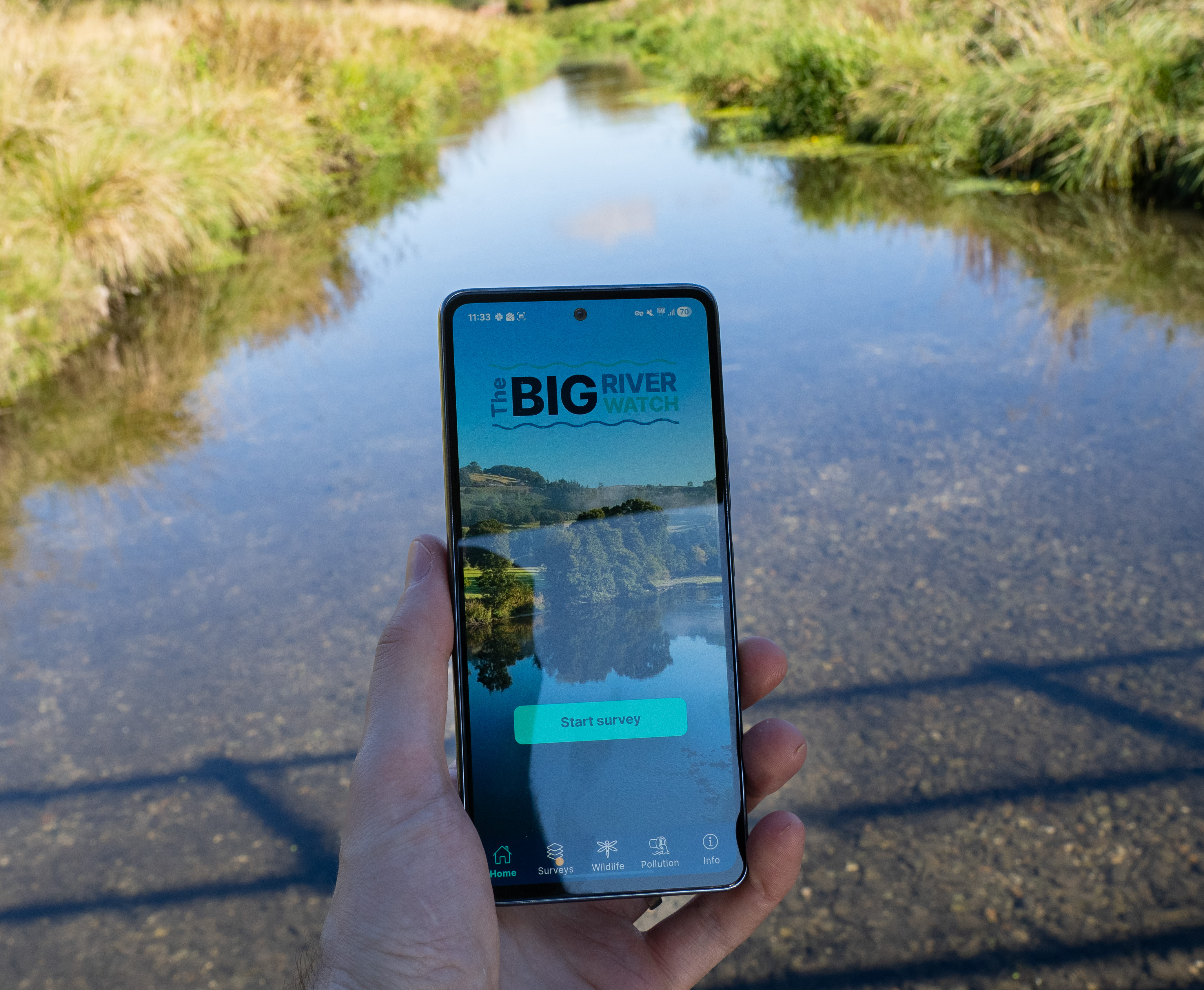
Take part in this autumn's Big River Watch and help survey your river from 18–24 September 2026.
_resize.jpg)
The scenes of dead fish on the River Wensum and elsewhere in Norfolk over recent weeks have been awful to see. Yes, the immediate cause is low oxygen levels after a hot summer and very little rain - but the deeper truth is that our rivers are in trouble. What we’re seeing is the result of long-term damage, and it’s a warning we can’t ignore.
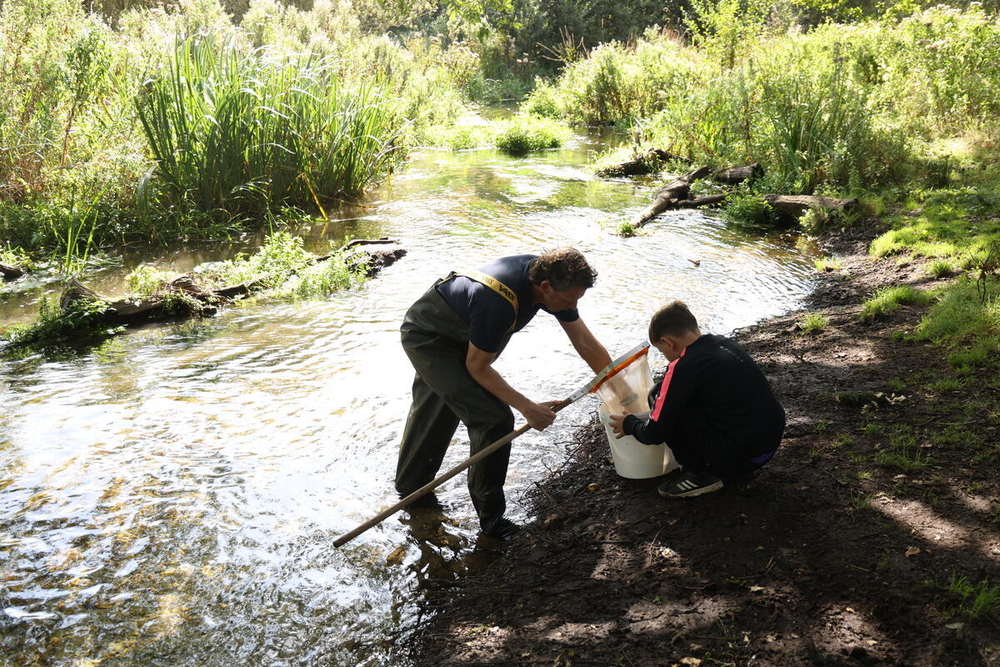
Norfolk’s rivers and wetlands are under mounting pressure, and the need for bold, coordinated action has never been clearer. Our Strategy to 2030 sets out a decisive plan to protect and restore these vital habitats, strengthening their resilience for wildlife and communities.
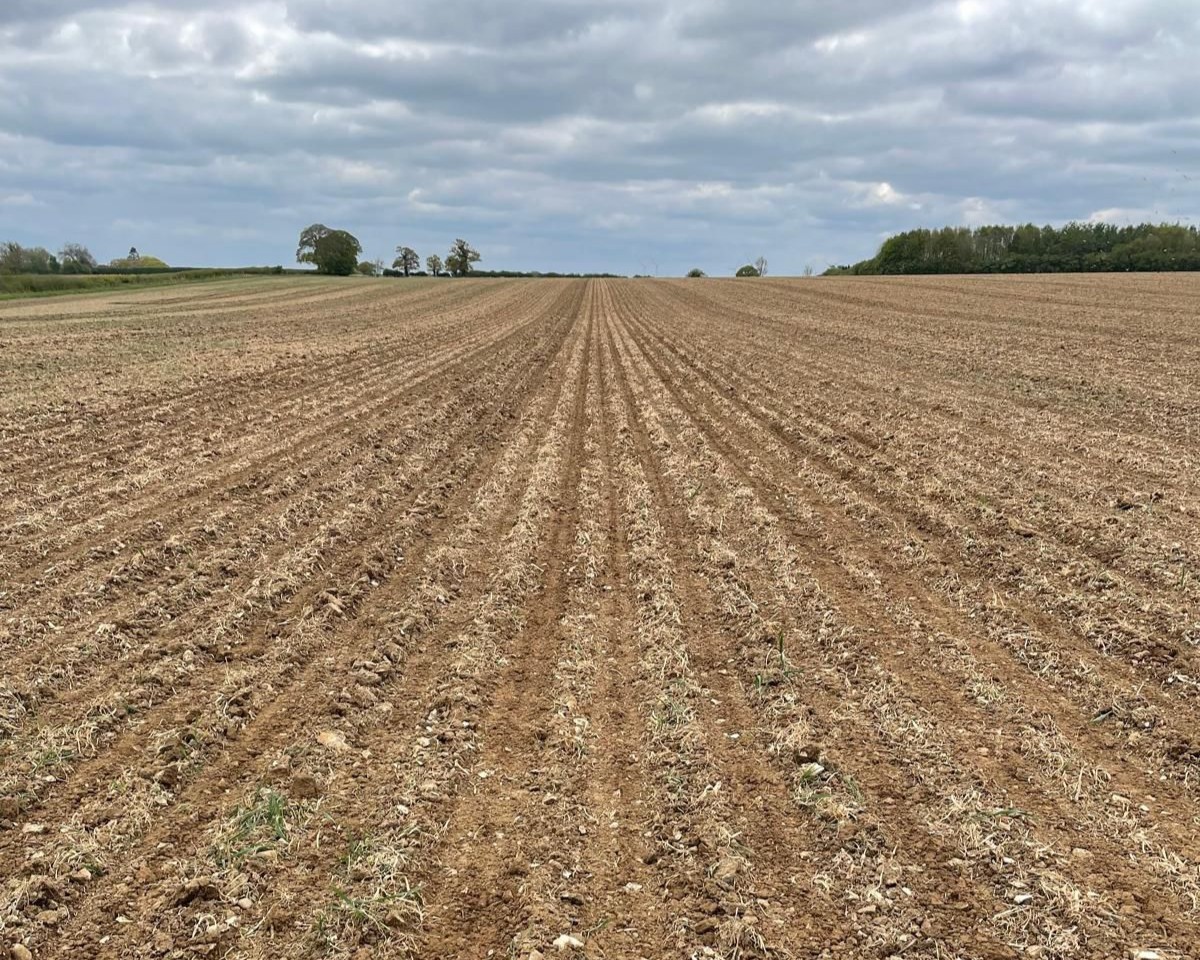
To demonstrate both the challenges and benefits of using strip-tillage machinery, we developed a case study with input from three farmers across Norfolk to document their experiences, especially regarding their soil health concerns.
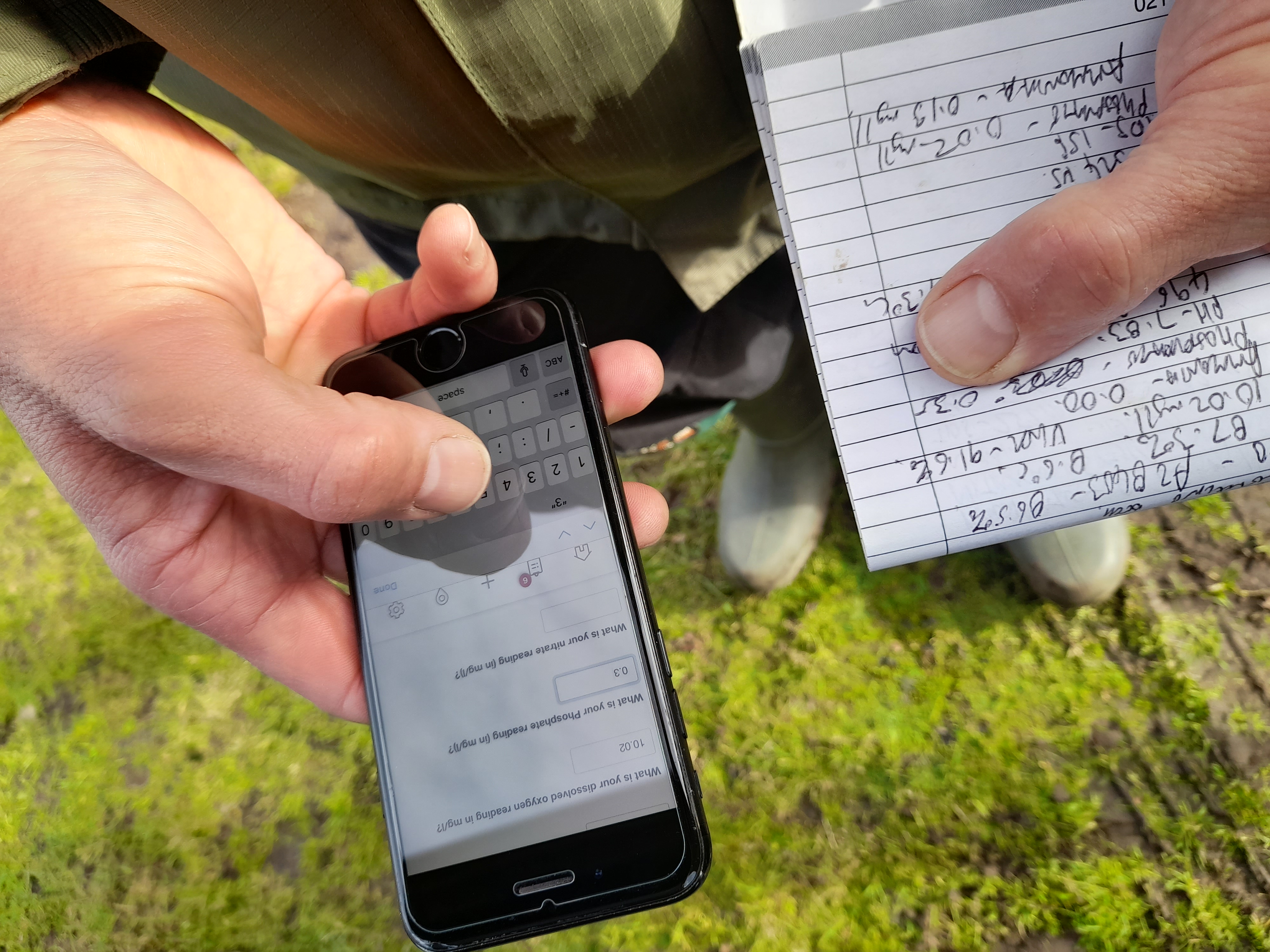
The efforts of our citizen scientists have supported the creation of a dataset that helps identify effective restoration measures and tackle pollution. This data has now enabled us to build a public dashboard where anyone can access and explore real-time water quality information, understand what the results mean, and see how conditions change over time.
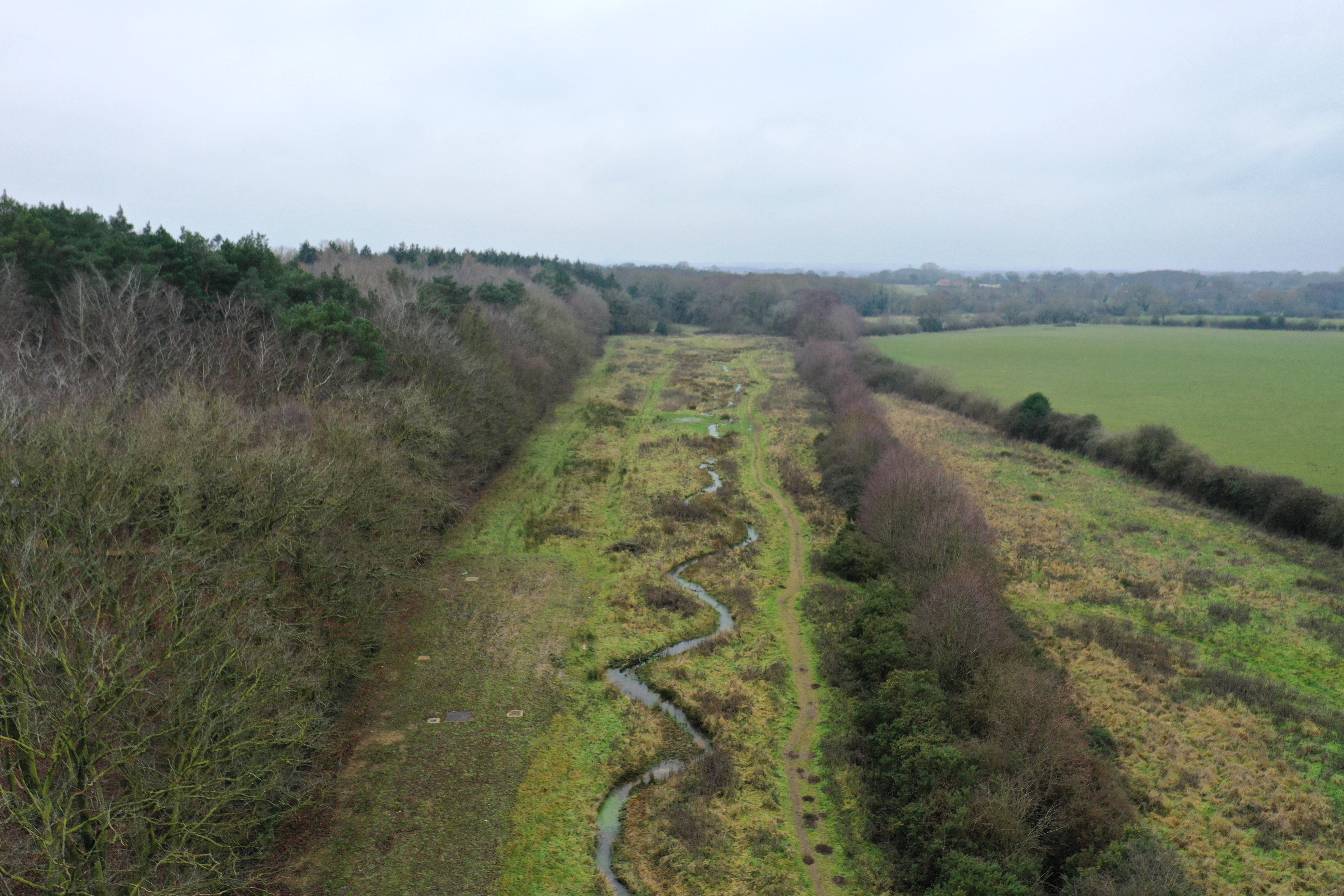
Today, we’re celebrating International Day of Action for Rivers, a day that perfectly captures why we do what we do. To mark the occasion, we’re looking back at one of our favourite recent success stories: the restoration of the River Stiffkey at Fulmodeston.
We use Mailchimp as our marketing platform. By clicking subscribe, you acknowledge that your information will be transferred to Mailchimp for processing. Learn more about Mailchimp's privacy practices here.