May 13, 2026
Farmers are under increasing pressure to produce food efficiently while reducing environmental impacts. Simultaneously, rivers across the UK are facing growing challenges from diffuse pollution, sediment run-off, and unpredictable weather patterns. These issues consistently lead back to soil health, a fundamental concern for food production, as well as the health of freshwater habitats.
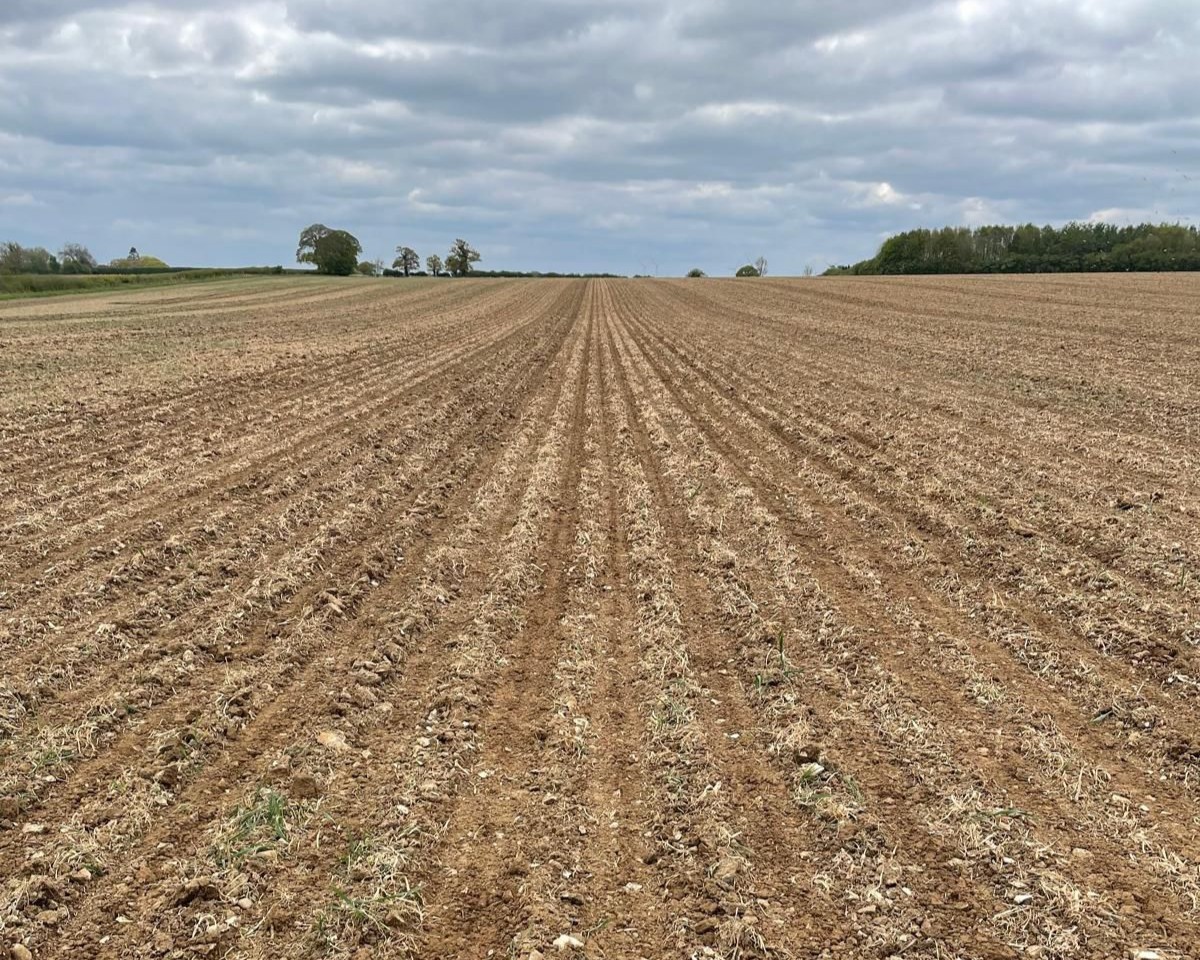
As part of our partnership project with the Waste and Resources Action Programme (WRAP), we explored strip-tillage machinery as a potential mediator between farming practices and soil. Sitting between conventional ploughing and no-tillage systems, strip-tillage offers a more balanced, accessible approach to reducing soil disturbance. By cultivating narrow strips of soil for planting, the majority of the soil between the strips is left undisturbed, maintaining an appropriate seedbed for crops.
The connection between soil health and river condition is vital. When soil is stable and porous, less sediment and nutrients are washed into nearby watercourses. Practices such as strip-tillage can play a key role in preventing compacted soil from damaging our important river habitats.
To demonstrate both the challenges and benefits of using strip-tillage machinery, we developed a case study with input from three farmers across Norfolk to document their experiences, especially regarding their soil health concerns. Each farm had different techniques, soil types, and crop rotations. By using strip-tillage to reduce soil disturbance whilst maintaining structure, the equipment can help retain soil moisture and support crop growth even during extreme weather conditions, thereby reducing the risk of erosion and run-off.
Read the case study here.
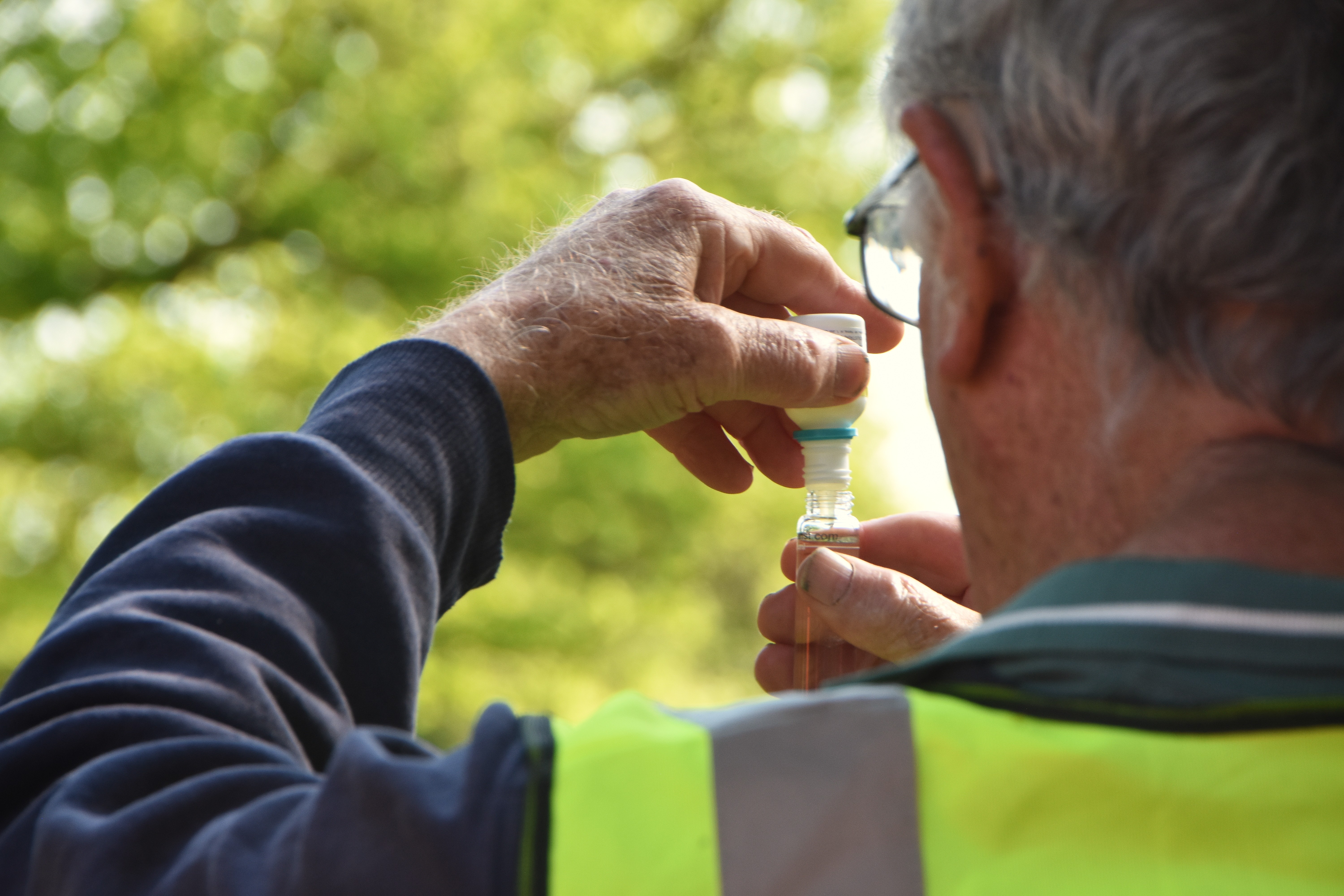
If you can spare just 30 minutes a week to help protect the River Wensum, you can sign up as a citizen scientist and monitor water quality at a regular sampling spot. Read on to learn how to get involved.
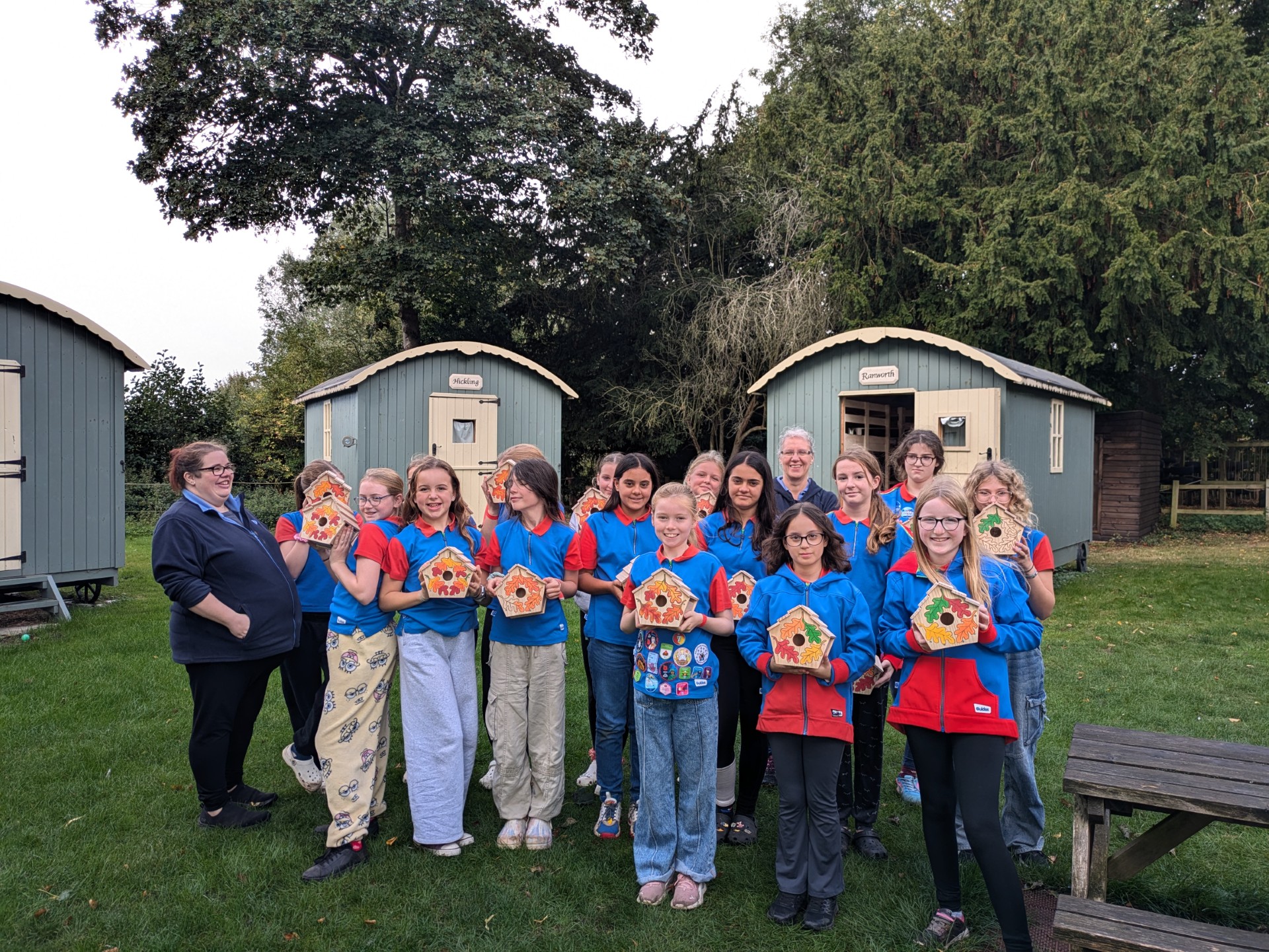
We're celebrating the second year of supporting schools, charities, and community groups in experiencing Norfolk’s beautiful countryside with the Aviva Access to Nature Fund.
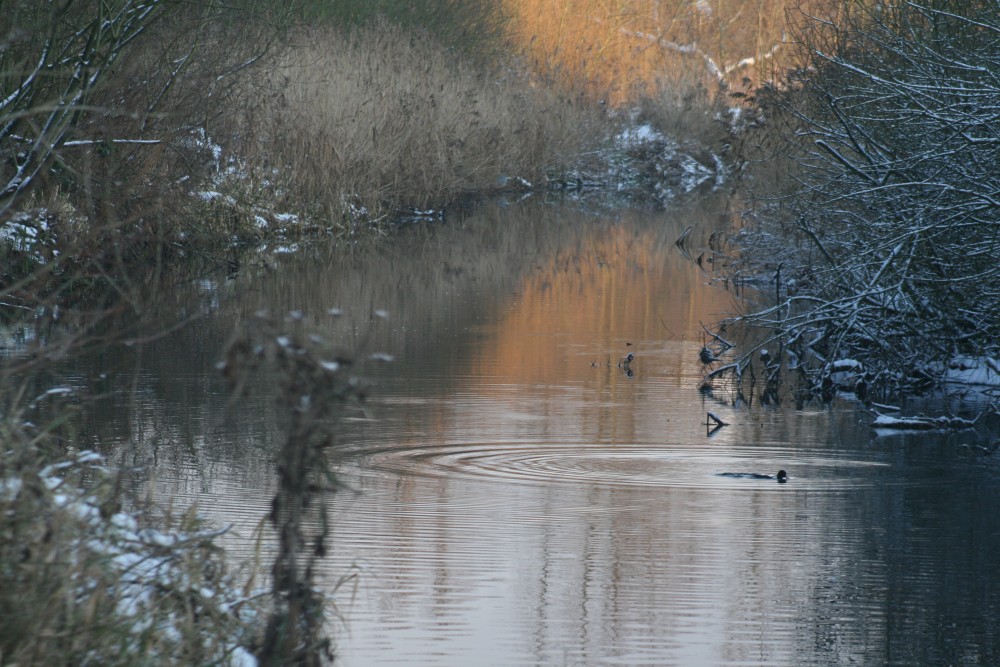
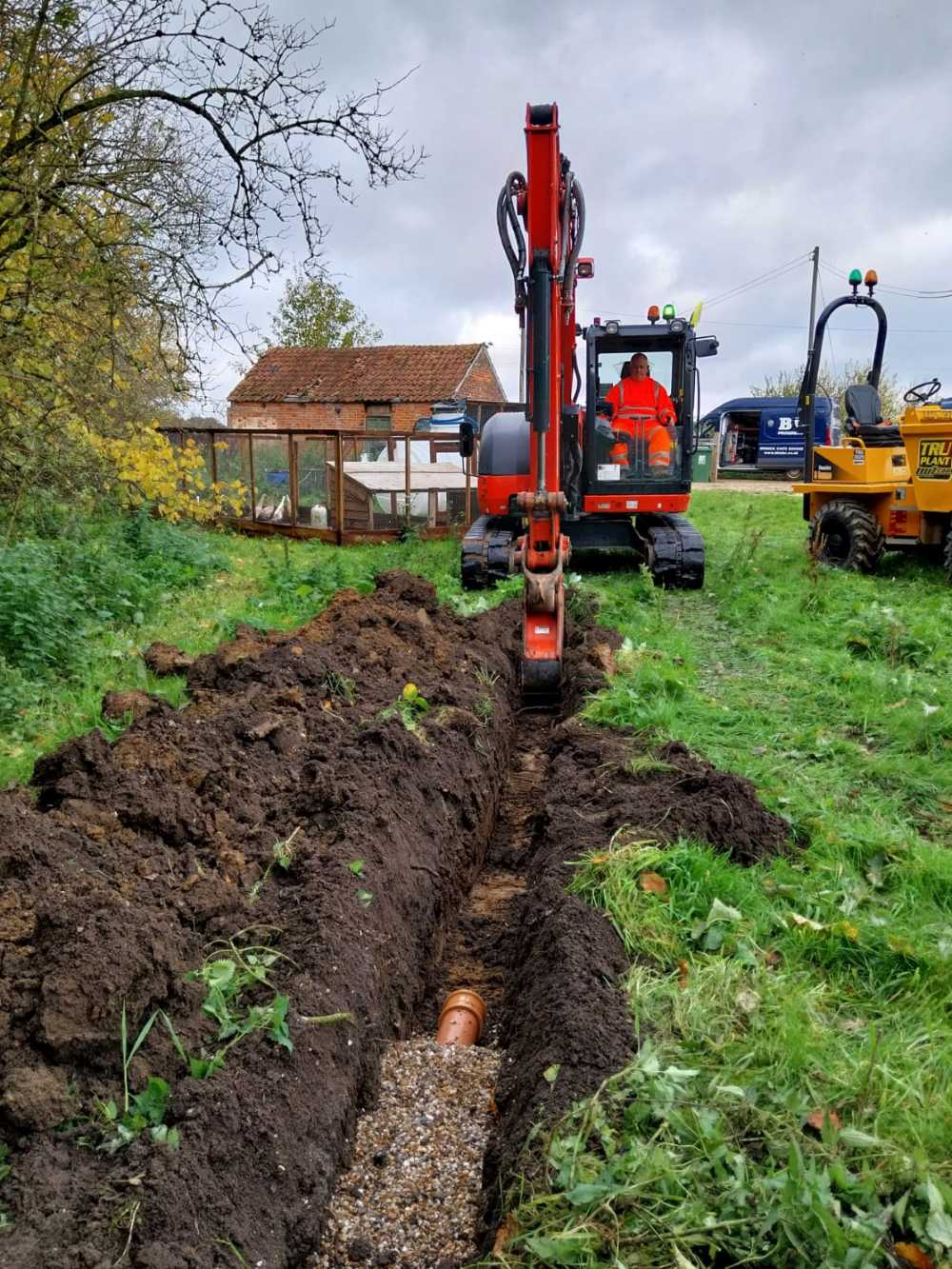
Did you know that old septic tanks can pollute nearby waterways? We've partnered with Our Rivers and Binder to upgrade outdated septic tanks in key catchments across Norfolk.
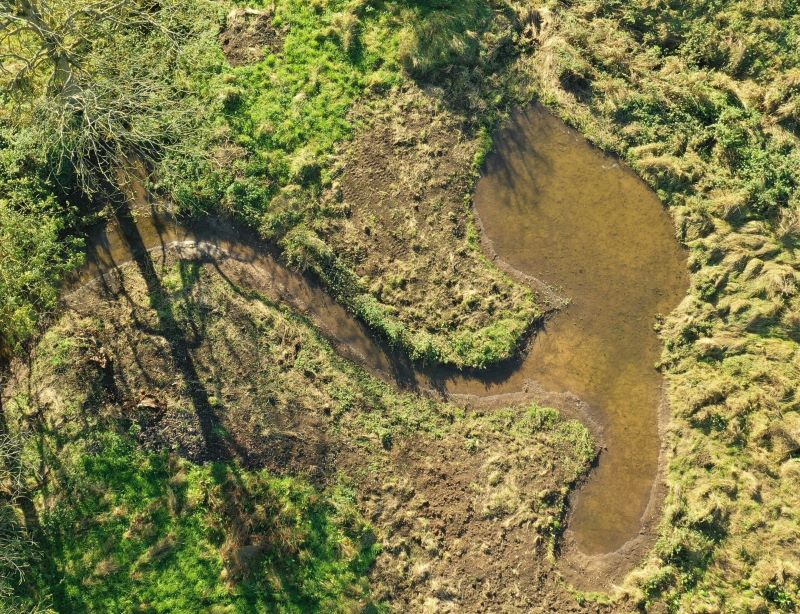
Proactively protecting the village of Gissing, in south Norfolk, from flooding.
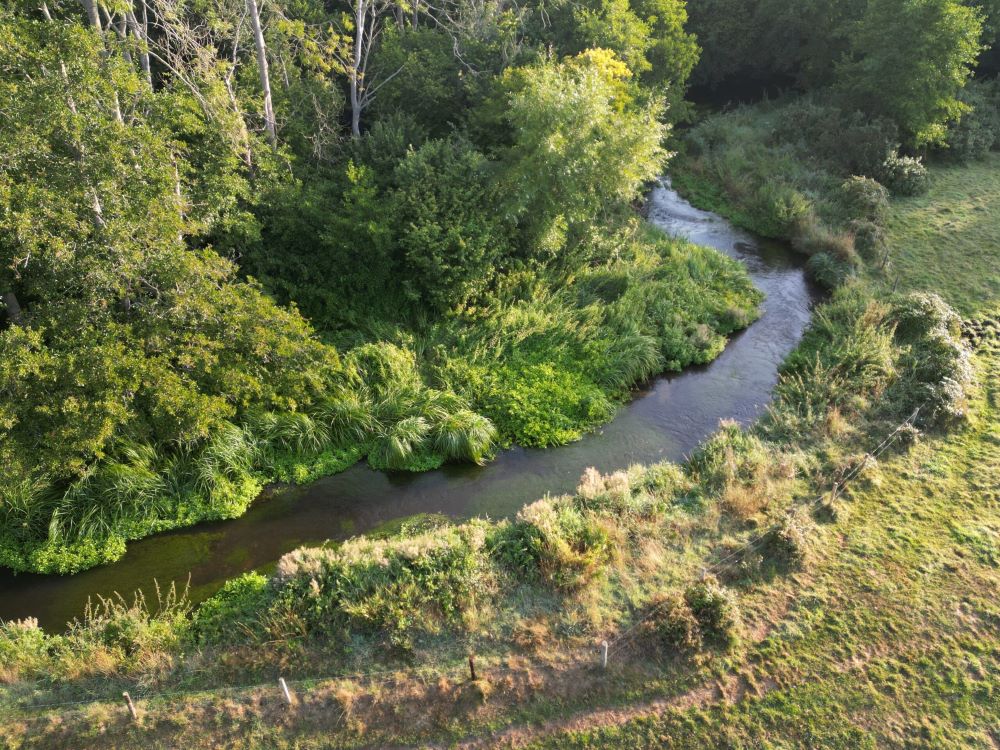
Across the south of England, you can find wonderful sources of crystal-clear water better known as chalk streams.
We use Mailchimp as our marketing platform. By clicking subscribe, you acknowledge that your information will be transferred to Mailchimp for processing. Learn more about Mailchimp's privacy practices here.