October 29, 2026
Nutrient Pollution – draft Norfolk Environmental Delivery Plan consultation
We welcomed the opportunity to respond to Natural England’s consultation on the draft Norfolk Environmental Delivery Plan (EDP). Norfolk is home to some of England’s most special river environments, including internationally important chalk streams, the River Wensum, and the rivers and wetlands of the Yare and Bure. These precious waterways support rare wildlife, shape local landscapes, and connect the communities that value and depend on them.
As a Trust, we are committed to protecting and enhancing these catchments so they can recover and thrive for future generations. While we recognise that EDPs could provide an opportunity to coordinate conservation work and scale up investment in nature recovery, any plan promising wider benefits must also demonstrate that it will protect vulnerable rivers and wetlands from further harm and deliver lasting ecological improvement.
The draft plan could enable up to 15,780 new homes across areas connected to the River Wensum and the Broads. However, based on the current proposals, it appears the EDP will address only a proportion of the additional nitrogen and phosphorus generated by this development, rather than its full impact. Water quality in our rivers is already at a critical point, with urgent action needed to reduce nutrient pollution; the Yare, Wensum and Bure are currently classed as “moderate” in the WFD 2025 classification. In light of this, any additional input of nitrogen and phosphorus cannot be accommodated.
Consequently, we are unconvinced the draft plan demonstrates that its proposed measures will meaningfully offset or outweigh the negative effects of this growth. We remain concerned that the plan lacks clarity on how the full extent of environmental pressures from development will be addressed, how quickly the proposed measures will take effect, and how success will be measured.
While Natural England refers to substantial pollution reductions, we need greater clarity on what these figures represent, how they were calculated, and why they appear to leave a shortfall. Wider benefits for nature are important, but they should not make it difficult to see whether water quality and ecological health are improving, or whether further harm is occurring in the meantime.
Anglian Water are also expected to improve wastewater treatment works by 2030. These upgrades have an important role to play, but they will not address every source of pollution. The plan should clearly explain how these improvements have been accounted for and how additional pressures from development will be managed, rather than assuming future upgrades will resolve the problem.
We believe the plan should do more to prevent environmental harm at its source. This means looking across the whole river catchment, including further upstream, as well as the wetlands and habitats closer to the Broads. Constructed wetlands could be part of this approach, helping to capture nutrients from agricultural runoff or improve the treatment of wastewater where they are appropriately designed and located. Headwater restoration, rural sustainable drainage schemes, restoration of floodplains and meadows, septic tank upgrades and improved land management and riparian buffer strips should also be considered where they can deliver meaningful benefits.
We also want the plan to explain more clearly how its different conservation measures will contribute to overall recovery. Habitat restoration, fen management and deer management may all have a role in supporting nature, but their benefits should be properly evidenced and assessed against the objectives they are intended to achieve. Measures that provide wider biodiversity benefits should be recognised for those benefits, without assuming that they automatically compensate for additional pollution or damage elsewhere.
There must also be confidence that the funding will be sufficient to deliver the promised work, maintain restored habitats and monitor results over time. Specifically, we are concerned that the proposed levy is too low to cover the costs of the measures proposed. The plan should set out clear commitments, ensure robust financial backing, measure progress publicly and explain what further action will be taken if the expected improvements do not materialise.
We want to see an ambitious, joined-up approach to nature recovery across the Wensum, Yare and Bure catchments. That means recognising the value of wider habitat restoration while ensuring that pollution prevention, water quality and the ecological needs of each river remain central to the plan.
Our rivers should not have to bear additional harm while we wait for promised environmental benefits to arrive. We want this plan to set a strong example by showing that new development, effective pollution prevention and genuine nature recovery can be delivered together, and by proving this through evidence and monitoring that Norfolk’s rivers and wetlands are healthier as a result.
Make a difference by developing projects that enhance river habitats, improve biodiversity, reduce flood risk and support communities.
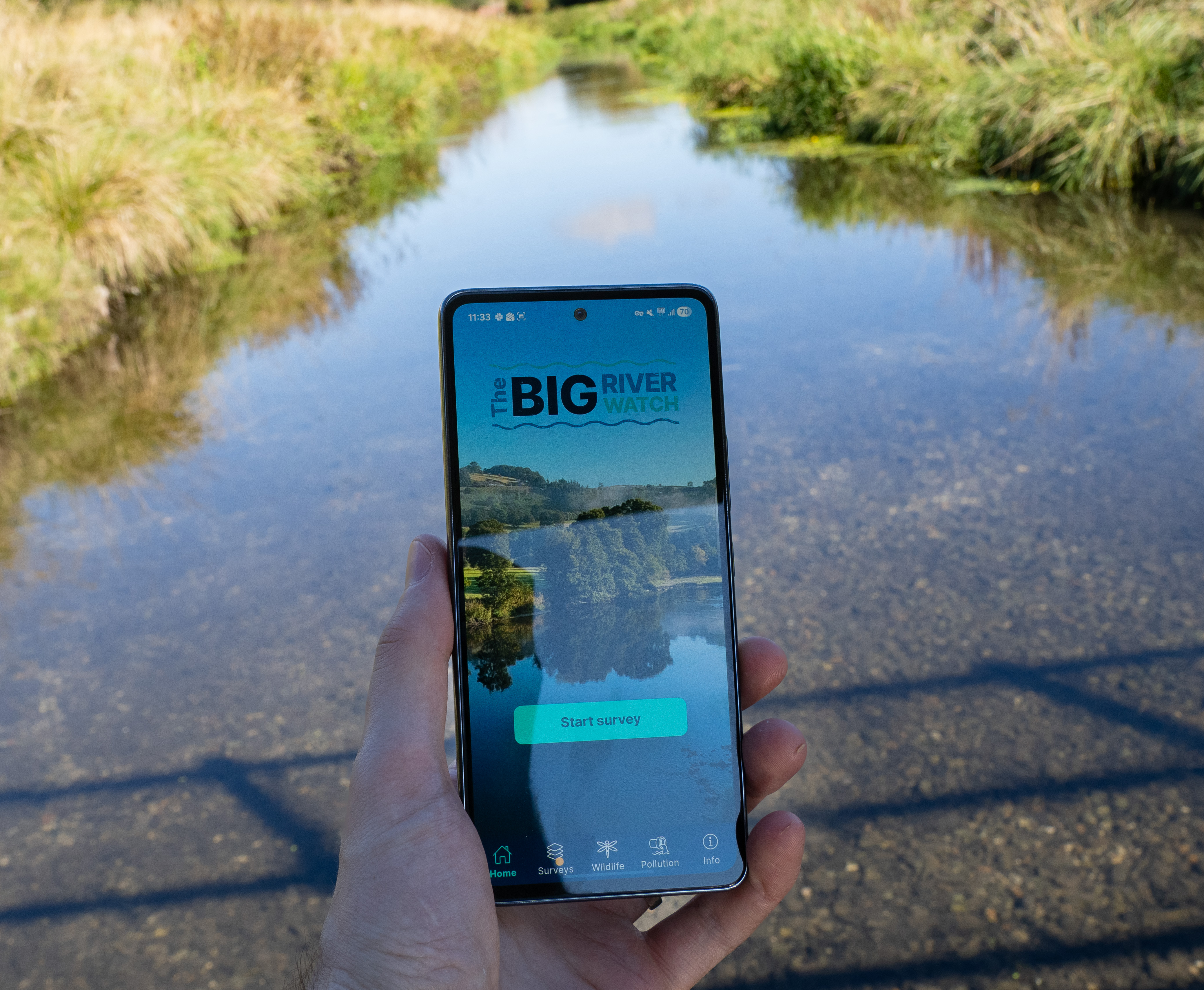
Take part in this autumn's Big River Watch and help survey your river from 18–24 September 2026.
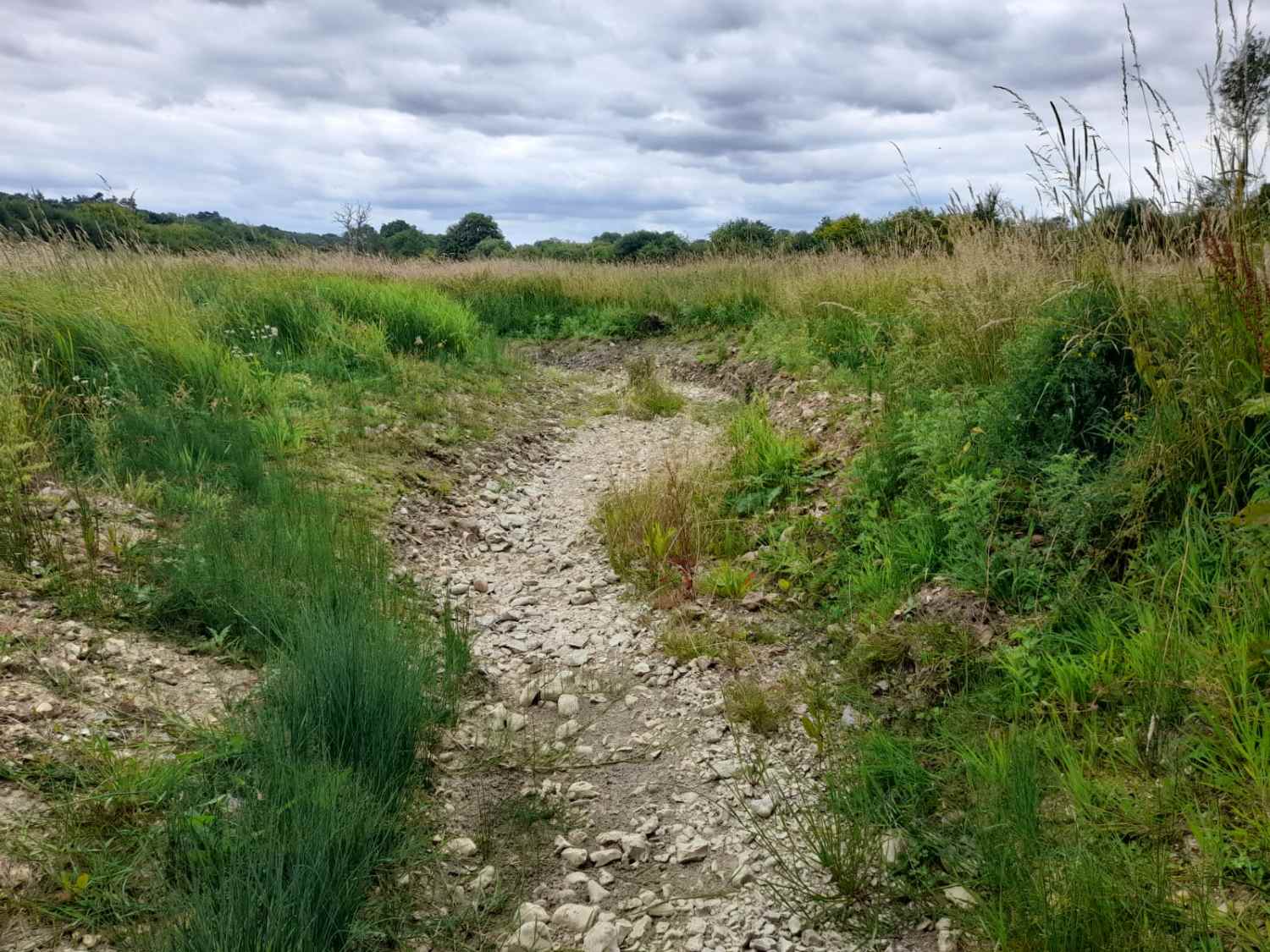
The scenes of dead fish on the River Wensum and elsewhere in Norfolk over recent weeks have been awful to see. Yes, the immediate cause is low oxygen levels after a hot summer and very little rain - but the deeper truth is that our rivers are in trouble. What we’re seeing is the result of long-term damage, and it’s a warning we can’t ignore.
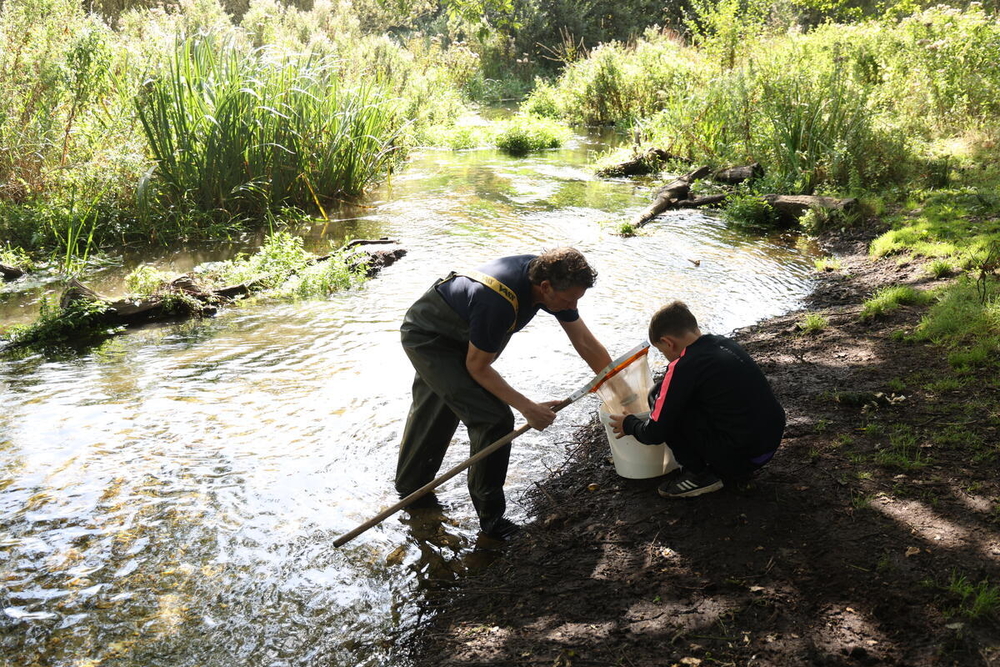
Norfolk’s rivers and wetlands are under mounting pressure, and the need for bold, coordinated action has never been clearer. Our Strategy to 2030 sets out a decisive plan to protect and restore these vital habitats, strengthening their resilience for wildlife and communities.
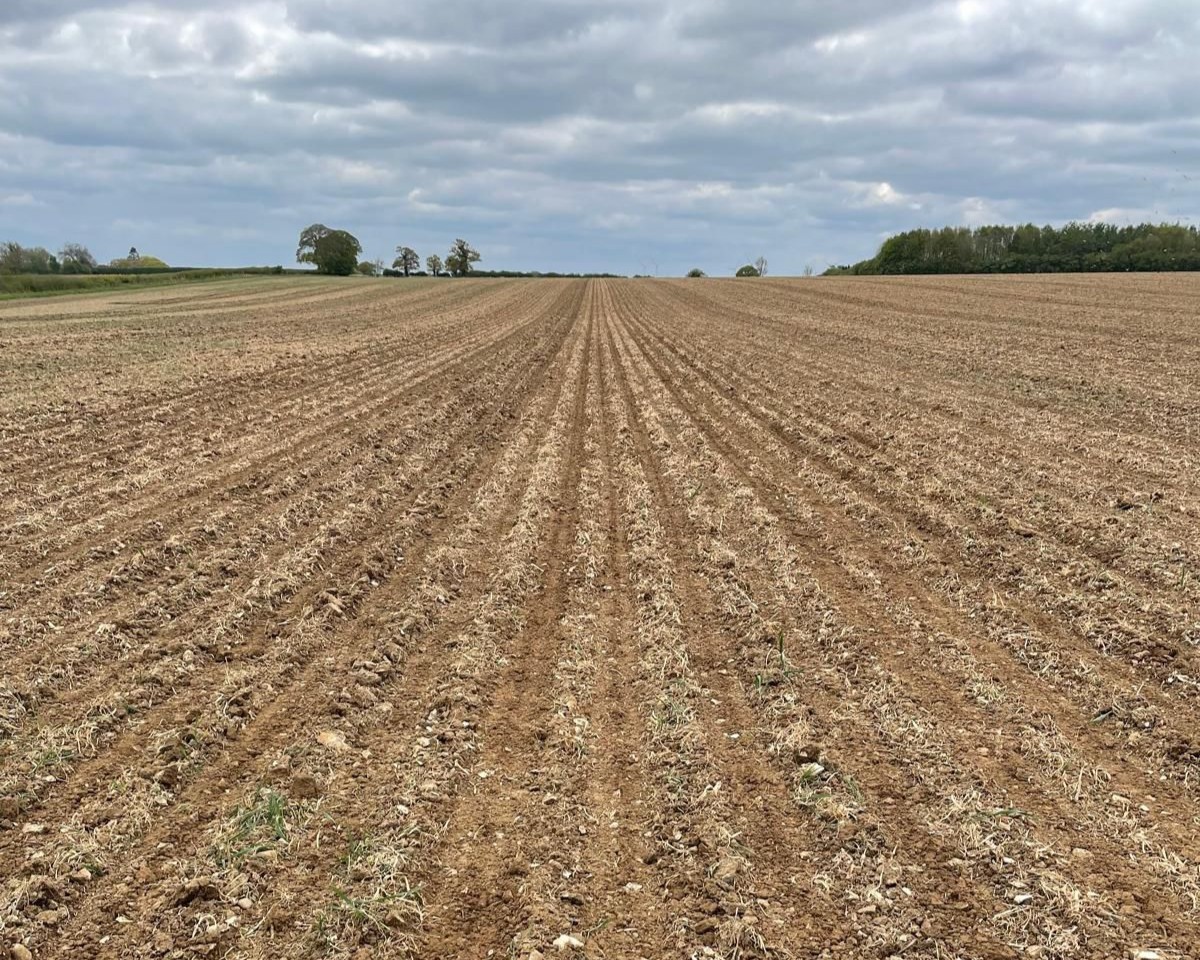
To demonstrate both the challenges and benefits of using strip-tillage machinery, we developed a case study with input from three farmers across Norfolk to document their experiences, especially regarding their soil health concerns.
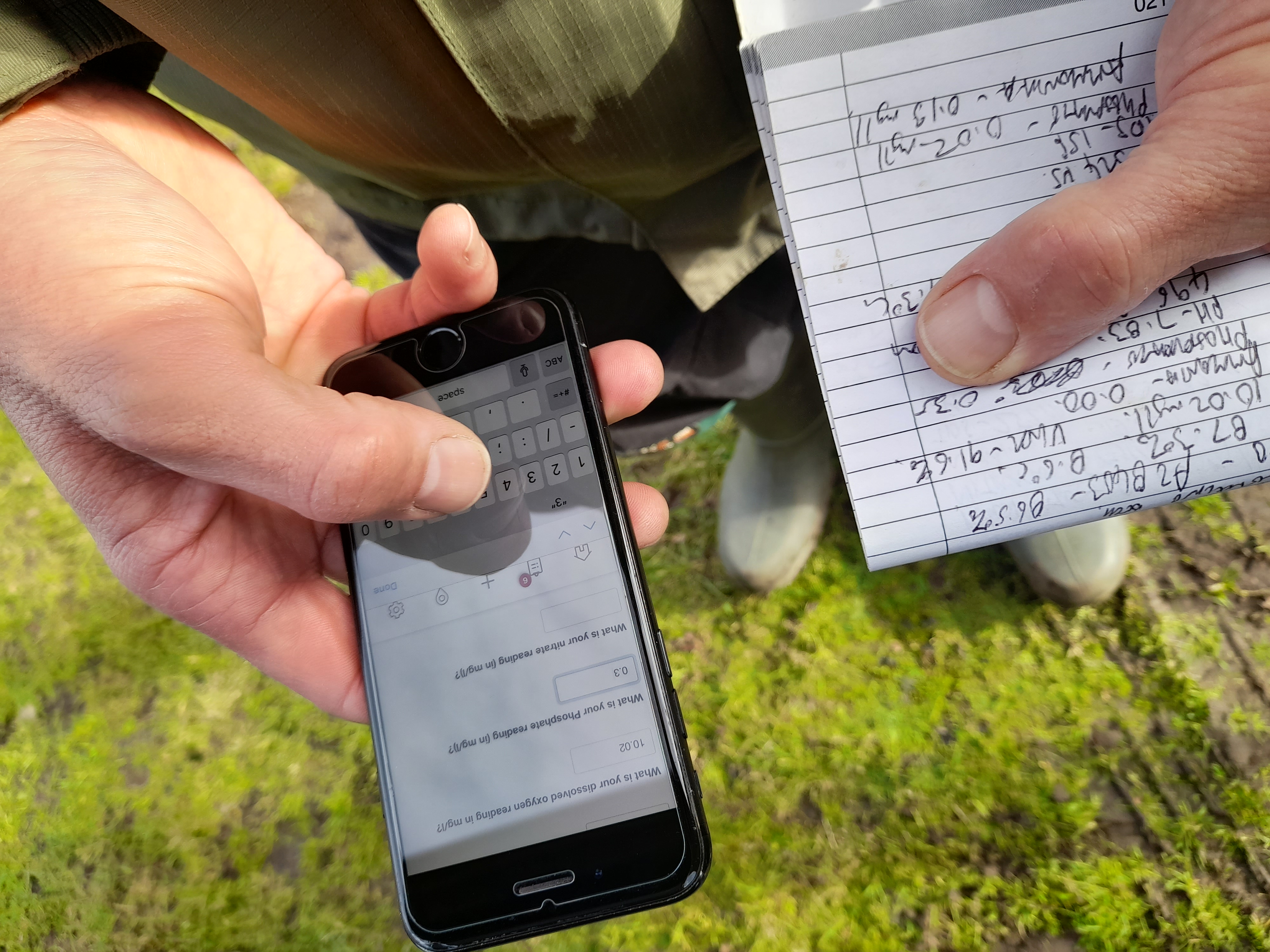
The efforts of our citizen scientists have supported the creation of a dataset that helps identify effective restoration measures and tackle pollution. This data has now enabled us to build a public dashboard where anyone can access and explore real-time water quality information, understand what the results mean, and see how conditions change over time.
We use Email Octopus as our marketing platform. By clicking subscribe, you acknowledge that your information will be transferred to Email Octopus for processing.