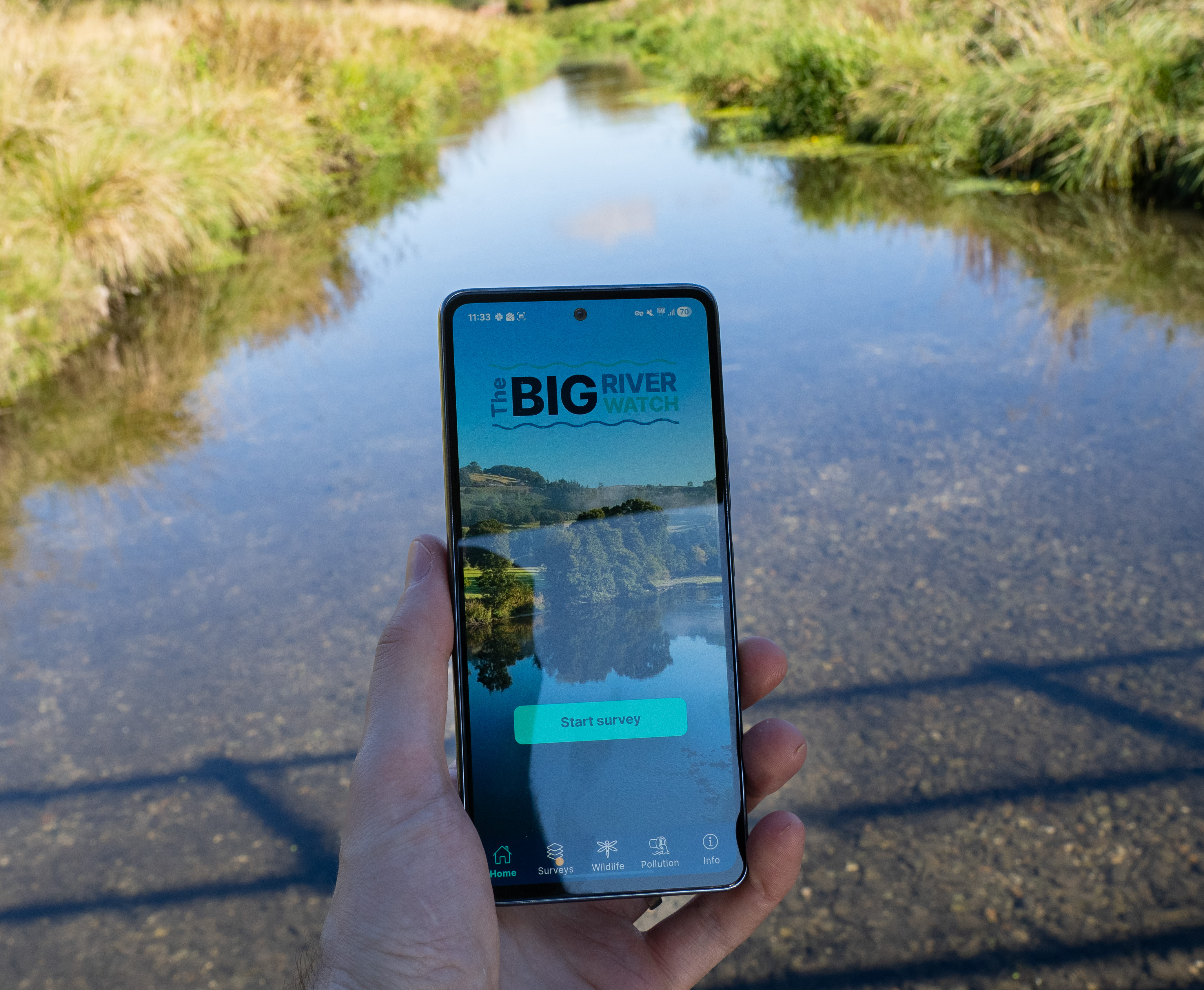
Take part in this autumn's Big River Watch and help survey your river from 18–24 September 2026.
_resize.jpg)
The scenes of dead fish on the River Wensum and elsewhere in Norfolk over recent weeks have been awful to see. Yes, the immediate cause is low oxygen levels after a hot summer and very little rain - but the deeper truth is that our rivers are in trouble. What we’re seeing is the result of long-term damage, and it’s a warning we can’t ignore.
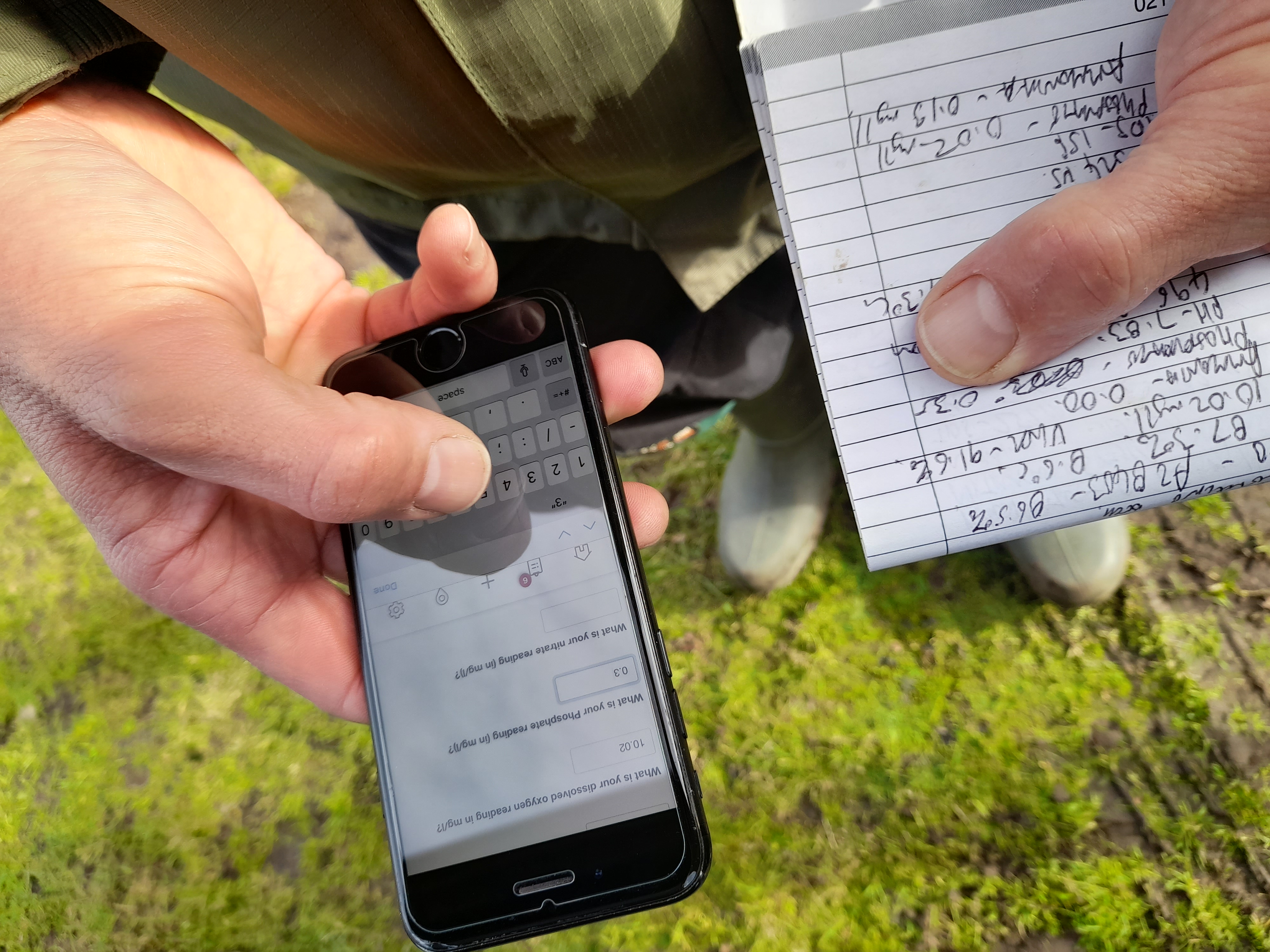
The efforts of our citizen scientists have supported the creation of a dataset that helps identify effective restoration measures and tackle pollution. This data has now enabled us to build a public dashboard where anyone can access and explore real-time water quality information, understand what the results mean, and see how conditions change over time.
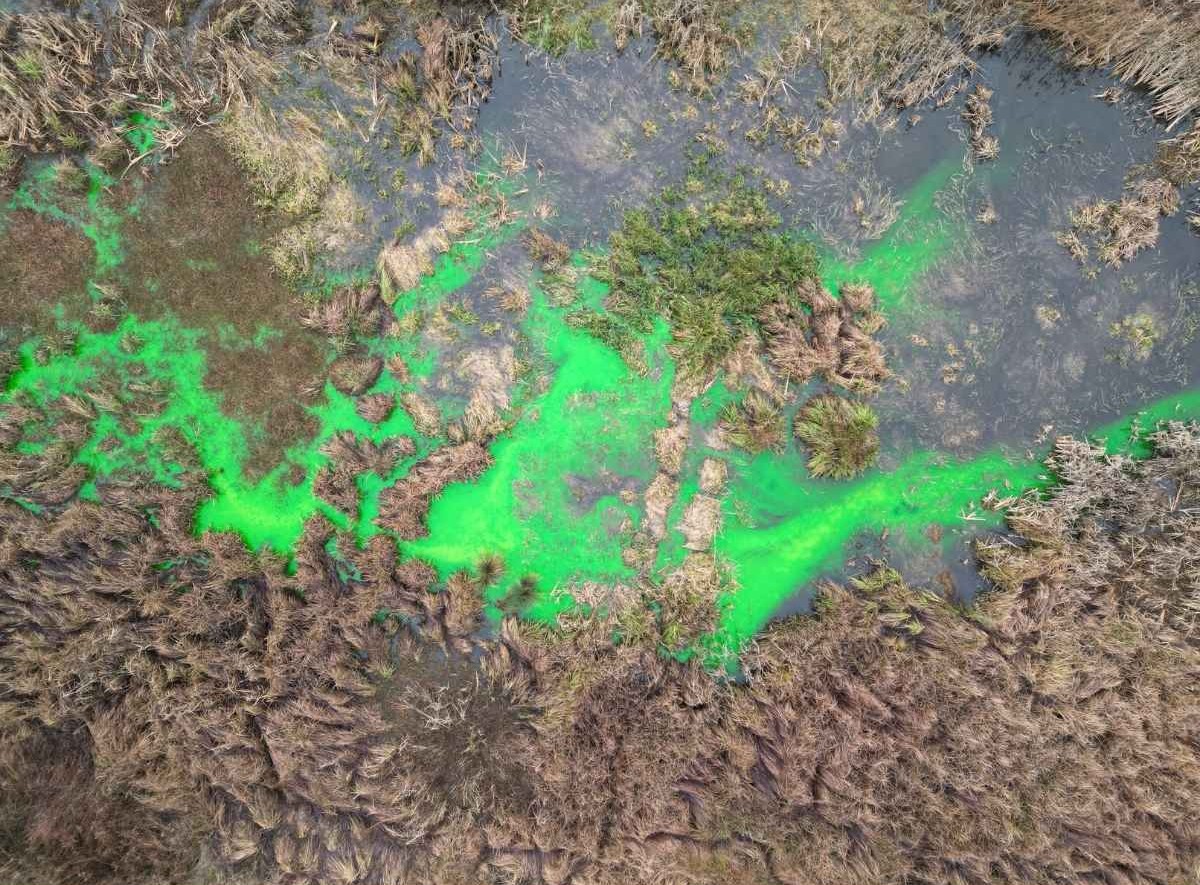
Under supervision, a UEA student released a harmless, non-reactive dye into the River Ingol Integrated Constructed Wetland (ICW), temporarily turning the water green. But why?
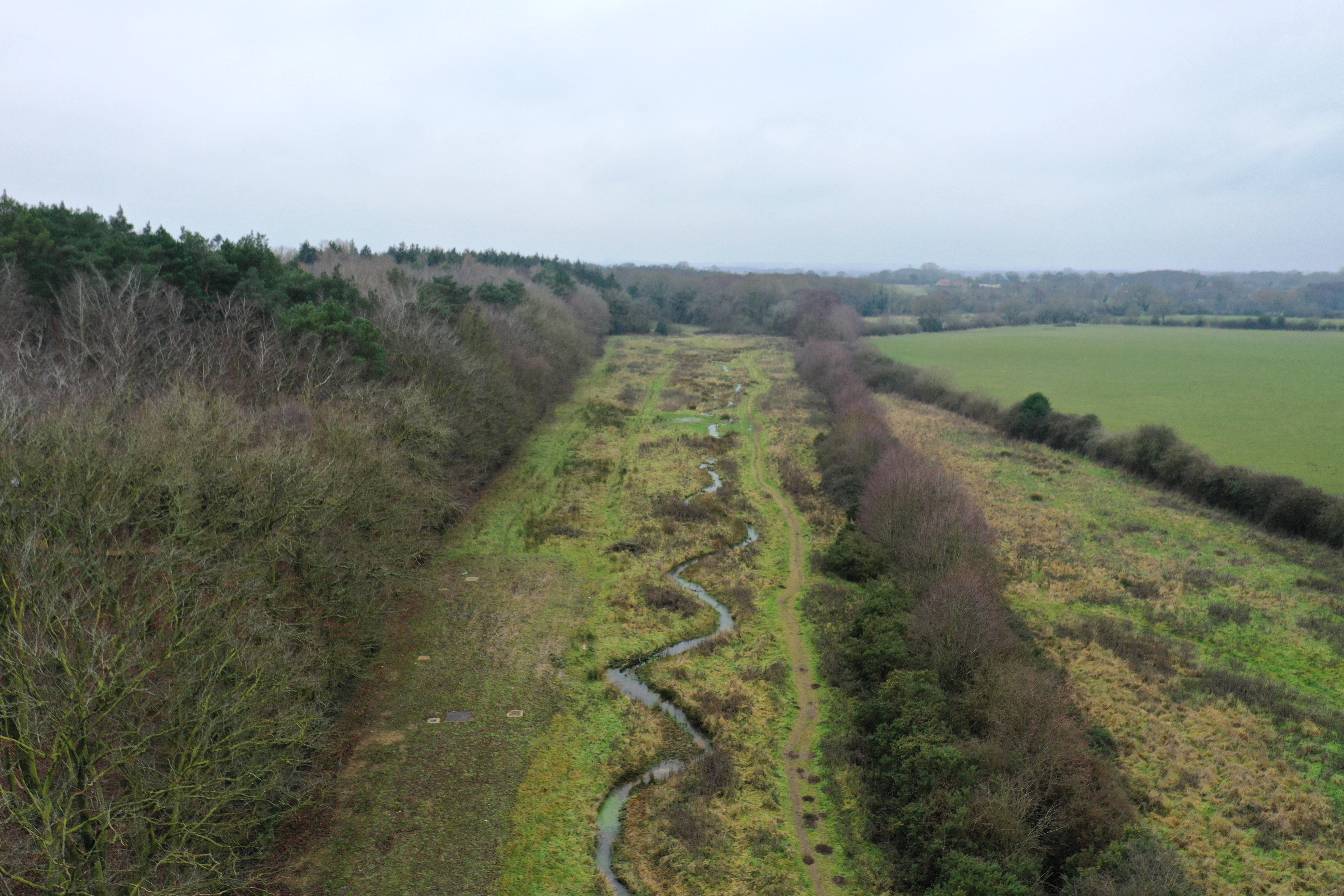
Today, we’re celebrating International Day of Action for Rivers, a day that perfectly captures why we do what we do. To mark the occasion, we’re looking back at one of our favourite recent success stories: the restoration of the River Stiffkey at Fulmodeston.
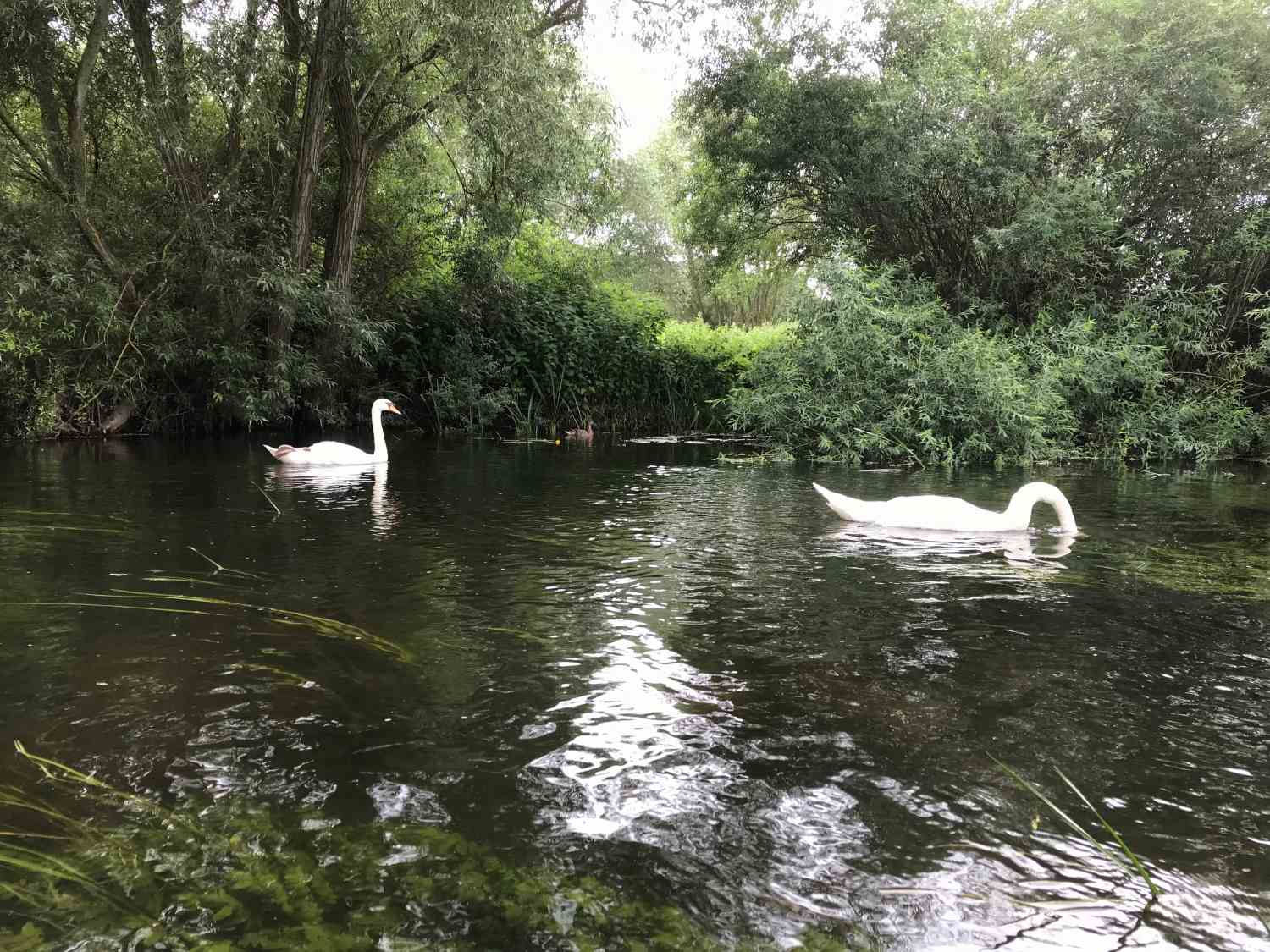
The Wensum Catchment Partnership are seeking a new voluntary Chair to work with partner organisations to help shape a shared strategic vision that leads to meaningful improvements to the river and its catchment.