January 28, 2026
The River Wensum is the largest chalk-fed river in Norfolk, flowing from the village of Whissonsett through market towns such as Fakenham and dedicated nature havens like Pensthorpe. As it reaches Norwich, it flows past Carrow Road football ground before merging with the River Yare at Whitlingham.
It’s no exaggeration to say this river flows through nearly everyone’s lives in Norfolk. Without it, our landscape would decline, Norwich’s charm would fade, and a diverse range of flora and fauna would disappear.
However, the Wensum faces significant challenges. Pollution from agricultural and rural sources, as well as urban run-off and sewage, poses a critical risk to its health. These pollution events are often unintentional and go unnoticed, causing harm beneath a seemingly calm surface and abundant vegetation.
This is where citizen scientists come in.
Citizen scientists, everyday people doing ecological and scientific surveys, have a long history of collaborating with professionals to monitor vital habitats and species. Their dedication helps detect environmental issues and encourages positive, evidence-based action for nature.
At Norfolk Rivers Trust, we run two citizen science programmes, including the Catchment Systems Thinking Cooperative (CaSTCo) project, which focuses on protecting the River Wensum.
How it works
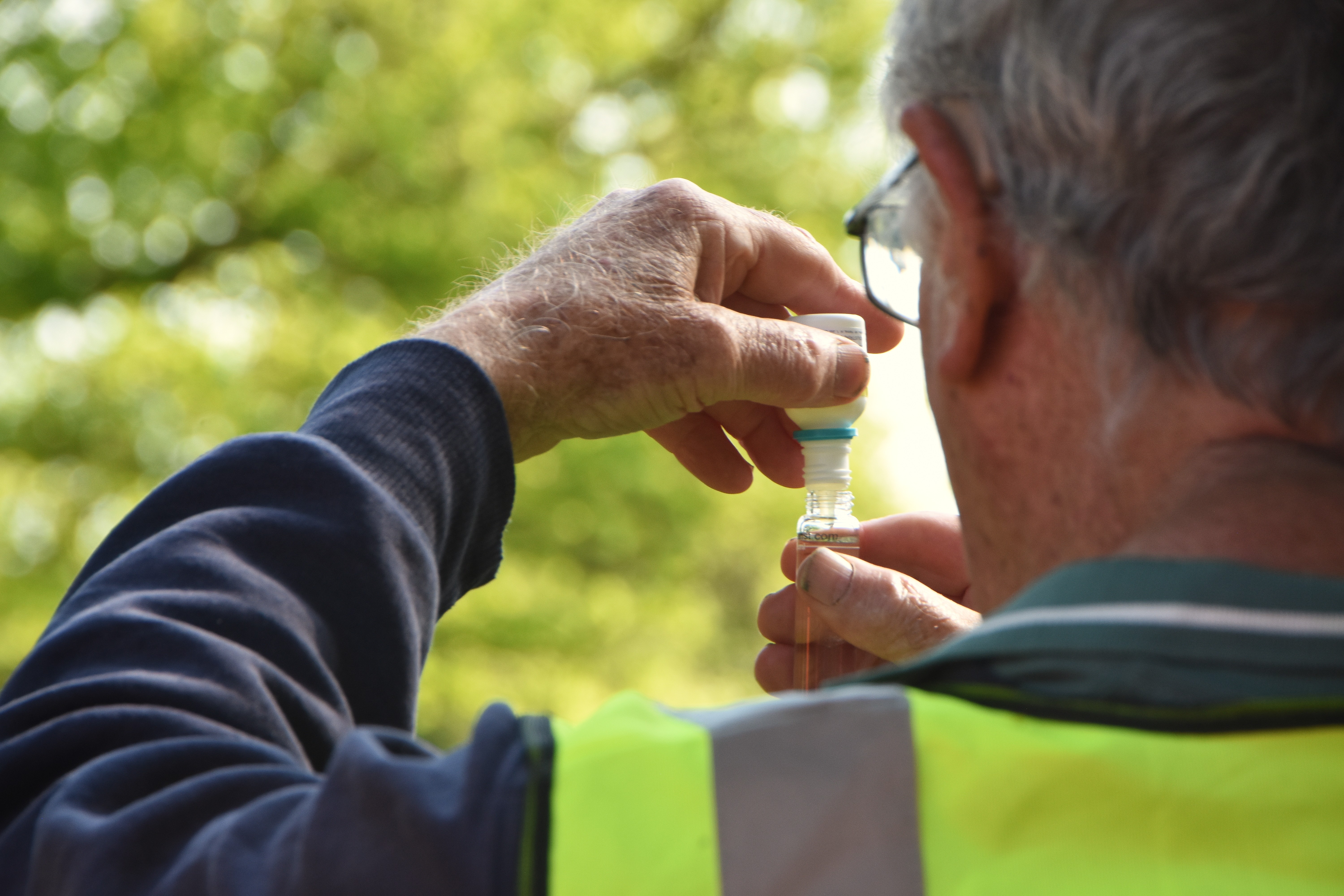
Volunteers are trained to collect and test water samples using standardised tools. In as little as 30 minutes, you can measure crucial health indicators, including dissolved oxygen, phosphate, ammonia, nitrate, and pH.
Why it matters
This research not only provides high-quality data to drive restorative action along the Wensum but also fosters deeper connections between people and their rivers. By visiting the same riverside locations weekly, you can really get to know your river, recognising how it lives and breathes across every season.
So, if you can donate 30 minutes each week to help us protect the River Wensum, you can find out more and register on our dedicated citizen science water quality monitoring page: From data to action: Driving meaningful impact
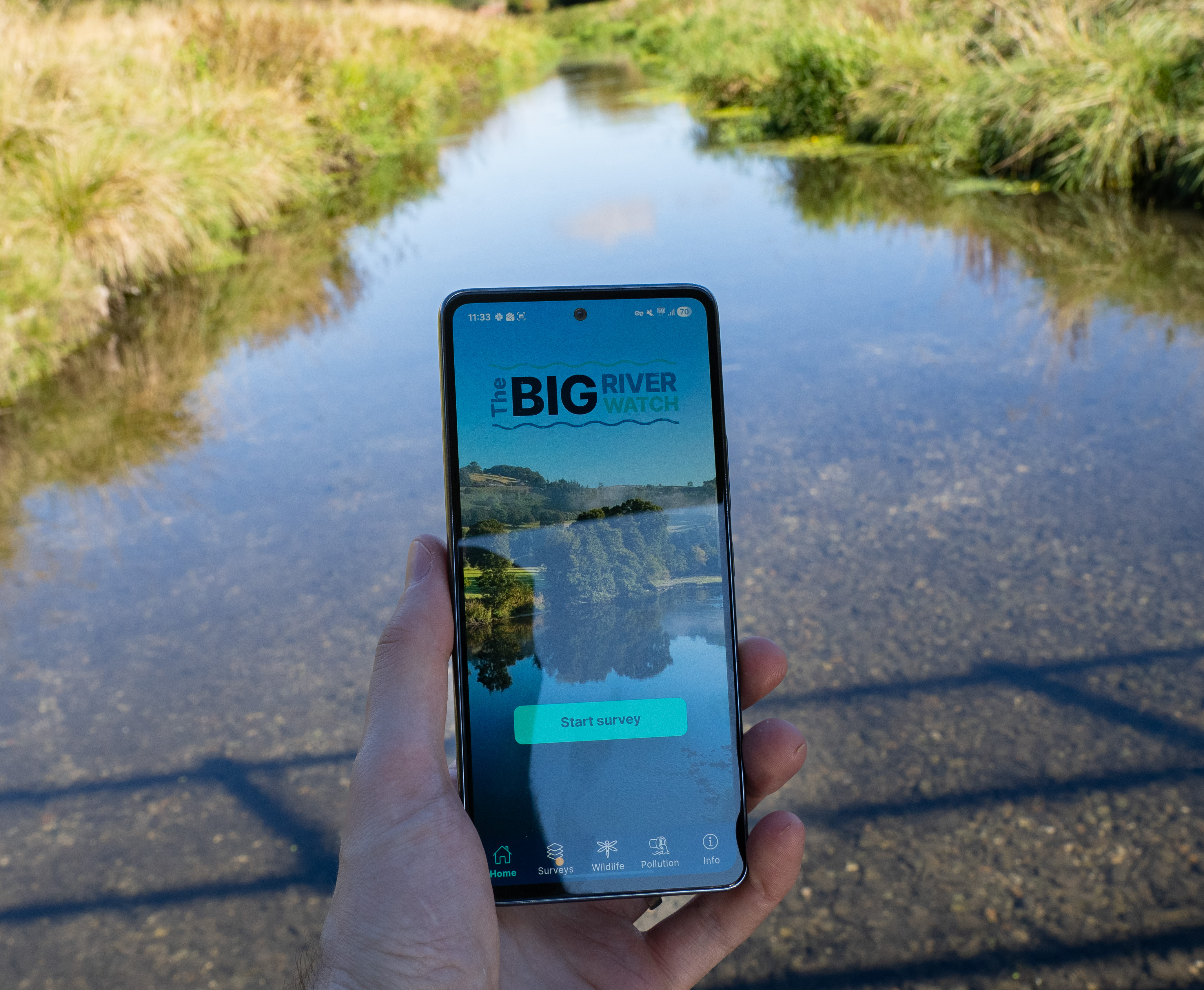
Take part in this autumn's Big River Watch and help survey your river from 18–24 September 2026.
_resize.jpg)
The scenes of dead fish on the River Wensum and elsewhere in Norfolk over recent weeks have been awful to see. Yes, the immediate cause is low oxygen levels after a hot summer and very little rain - but the deeper truth is that our rivers are in trouble. What we’re seeing is the result of long-term damage, and it’s a warning we can’t ignore.
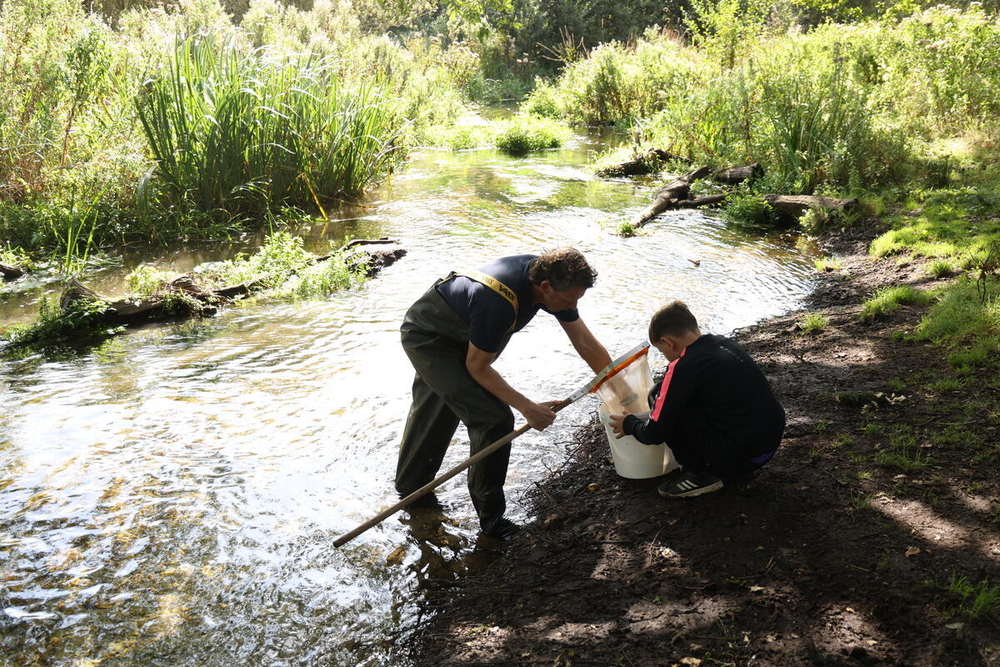
Norfolk’s rivers and wetlands are under mounting pressure, and the need for bold, coordinated action has never been clearer. Our Strategy to 2030 sets out a decisive plan to protect and restore these vital habitats, strengthening their resilience for wildlife and communities.
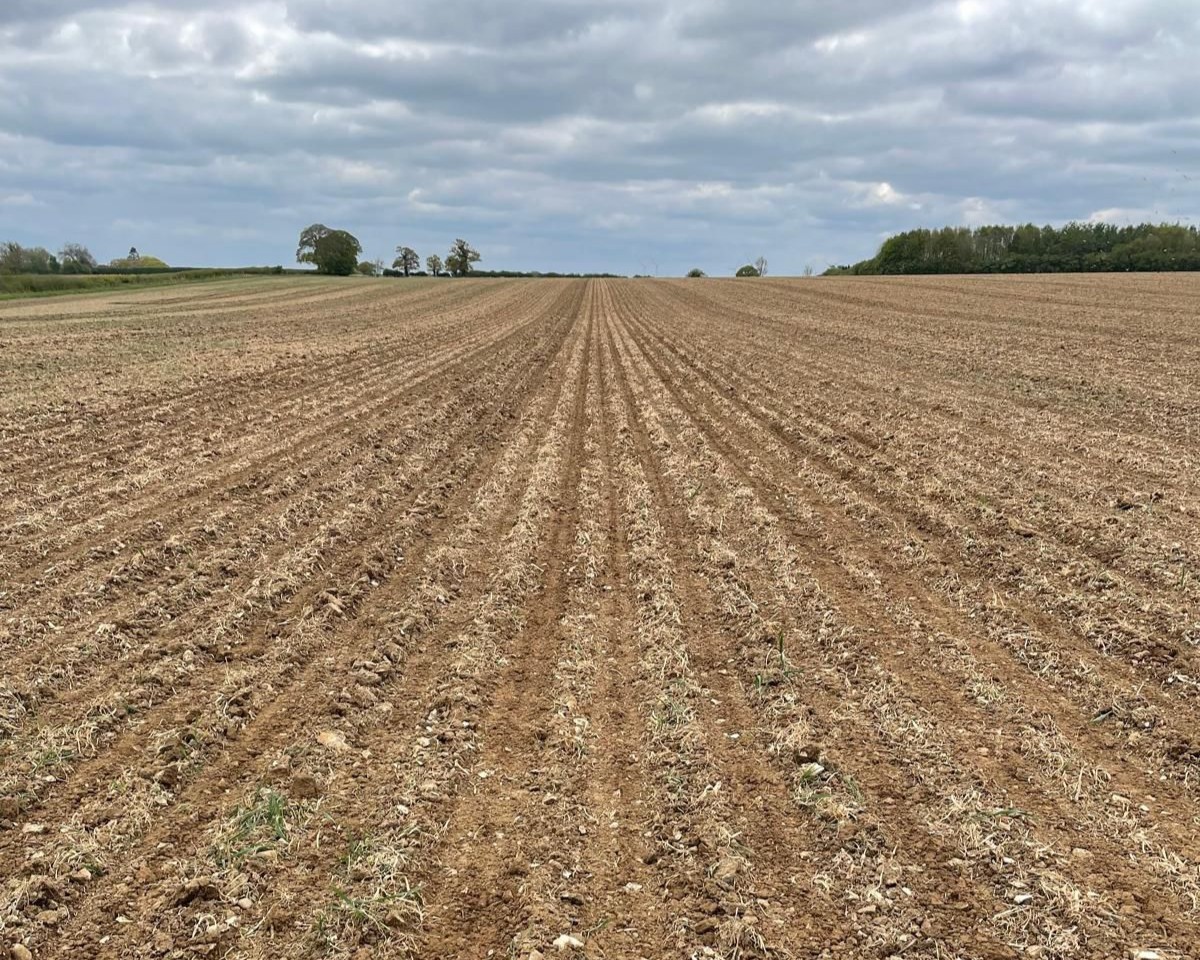
To demonstrate both the challenges and benefits of using strip-tillage machinery, we developed a case study with input from three farmers across Norfolk to document their experiences, especially regarding their soil health concerns.
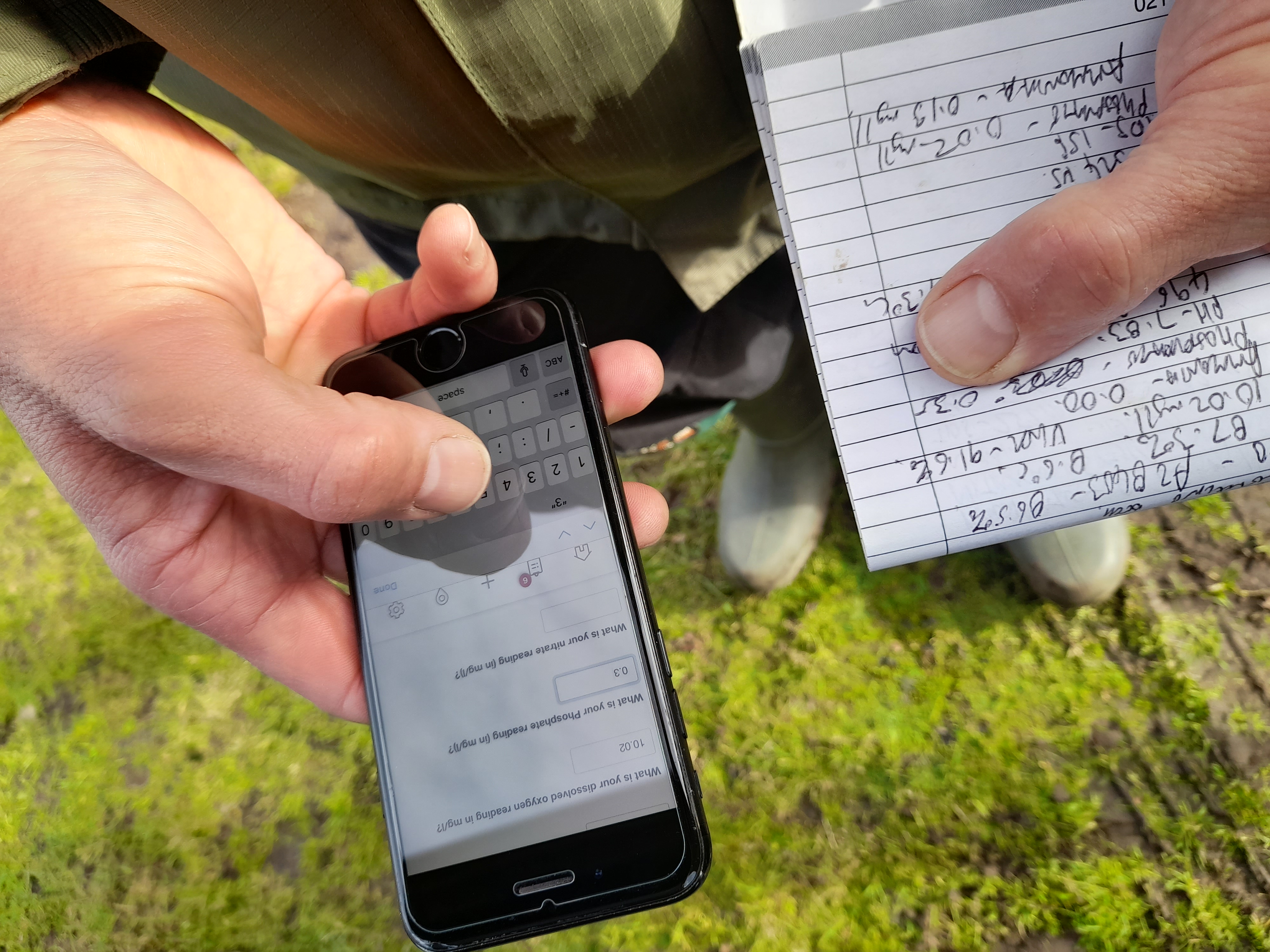
The efforts of our citizen scientists have supported the creation of a dataset that helps identify effective restoration measures and tackle pollution. This data has now enabled us to build a public dashboard where anyone can access and explore real-time water quality information, understand what the results mean, and see how conditions change over time.
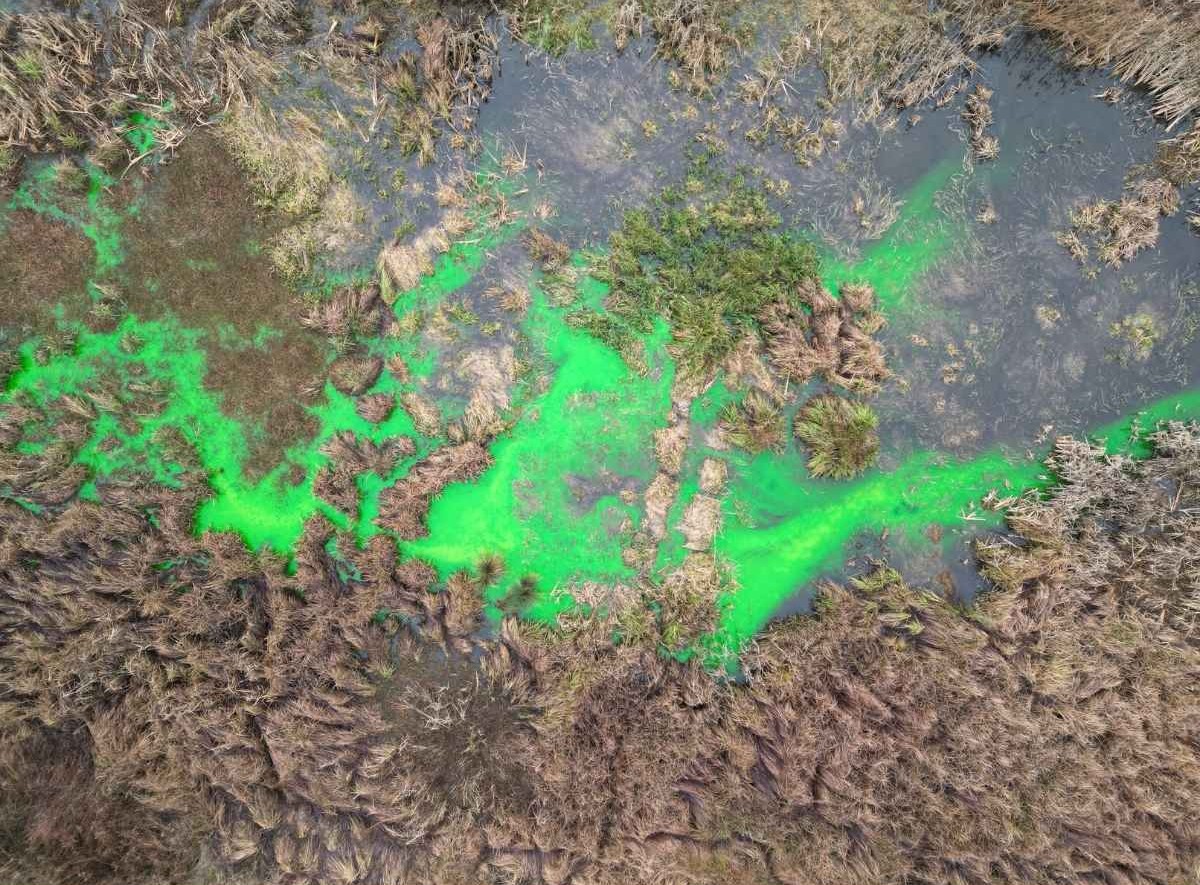
Under supervision, a UEA student released a harmless, non-reactive dye into the River Ingol Integrated Constructed Wetland (ICW), temporarily turning the water green. But why?
We use Mailchimp as our marketing platform. By clicking subscribe, you acknowledge that your information will be transferred to Mailchimp for processing. Learn more about Mailchimp's privacy practices here.